

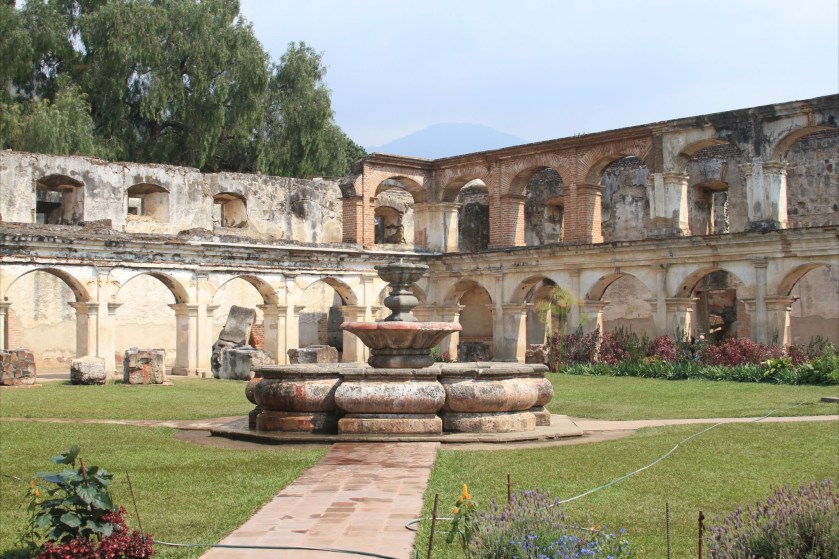
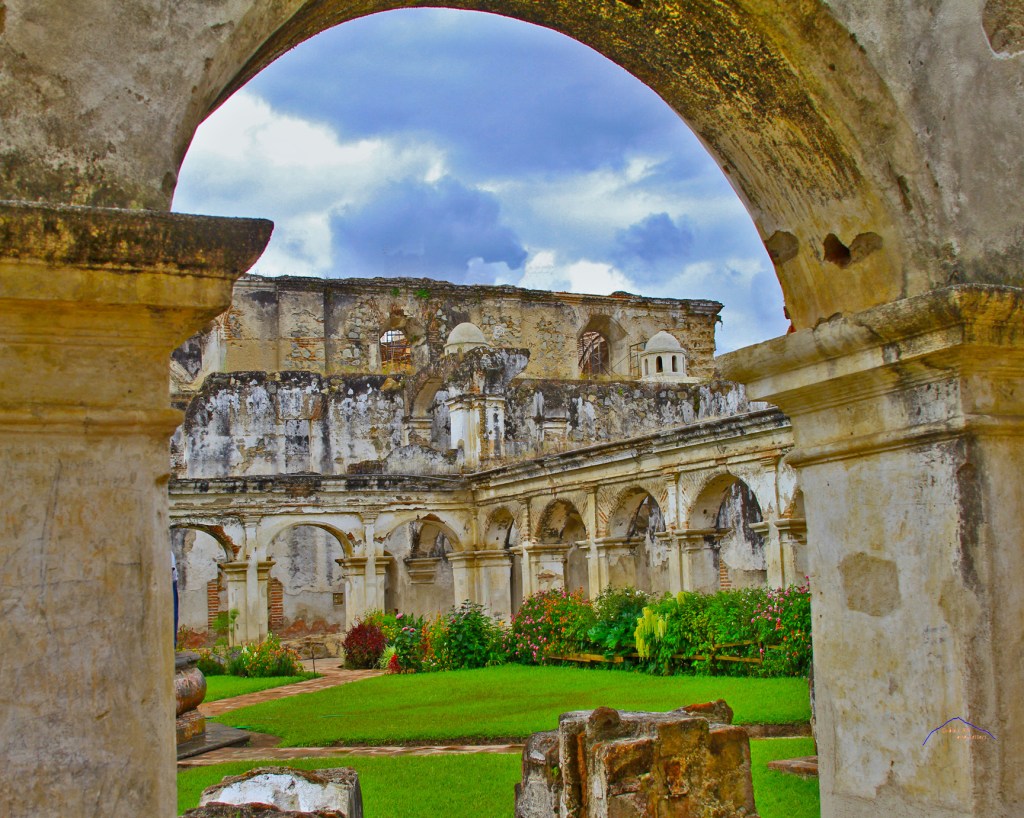
The Iglesia y Convento de Santa Clara were founded in 1699 by a group of Clarisas nuns from Puebla, Mexico. These sisters organized and laid the first plans for the Convent in 1700. By 1705 the construction was already demonstrating a comfortable monastic structure, a first for Antigua. The funds for its construction were donated by Jose Hurtado de Arria and Maria Ventura Arrivillaga. The amount of funds contributed for this project enabled the sisters to maintain constant enlargement and complete repairs after each of the earthquakes that were constant.

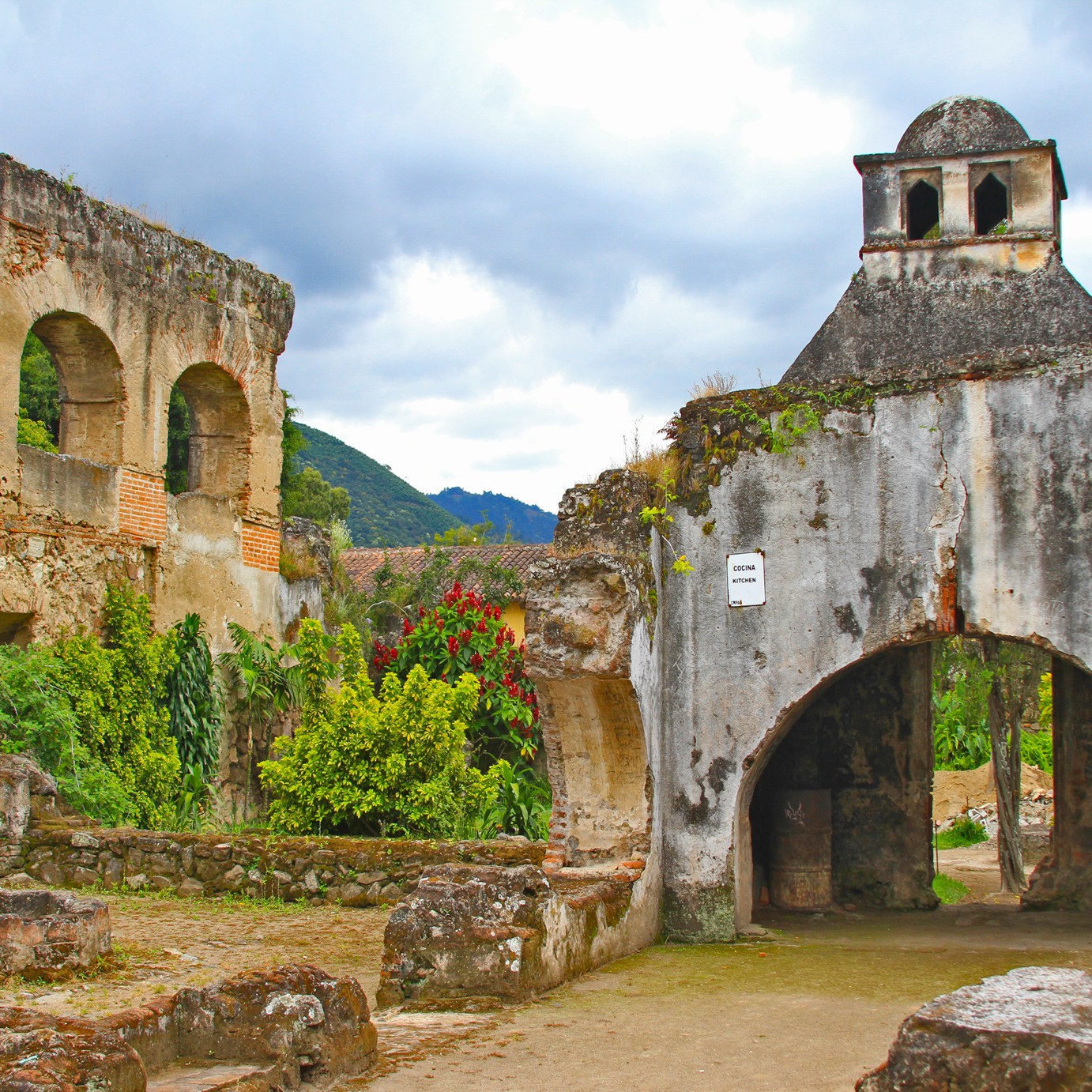

The Convent started as something small, a church. Soon several buildings followed, including a number of neighboring houses. In the beginning the convent started with five nuns and a novice. They occupied a small simple structure on January 14, 1700, date of its official foundation. This number soon grew to almost 50 persons who lived and worked in the mission. In 1703 the formal construction of the complex began and original building was completed two years later.


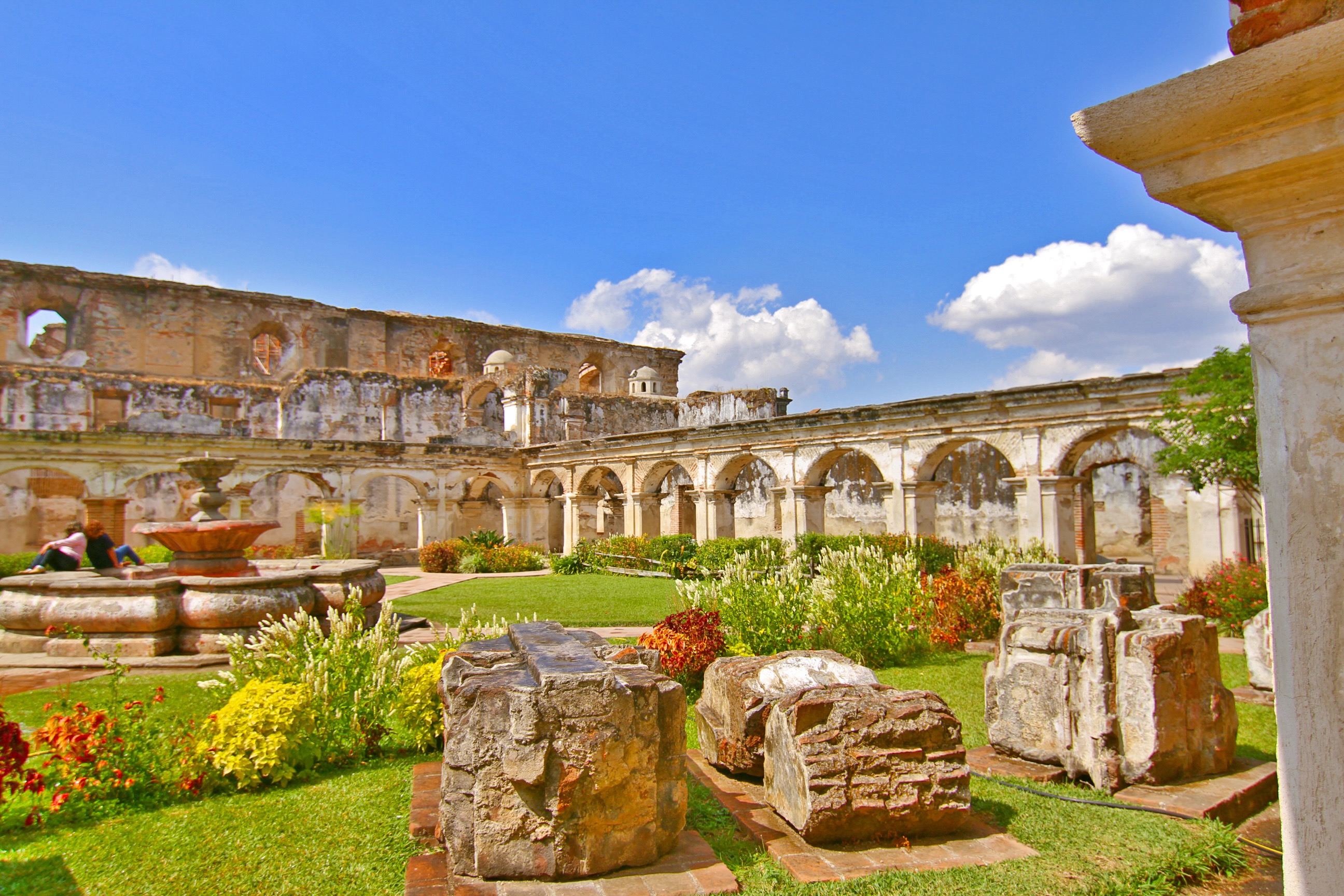
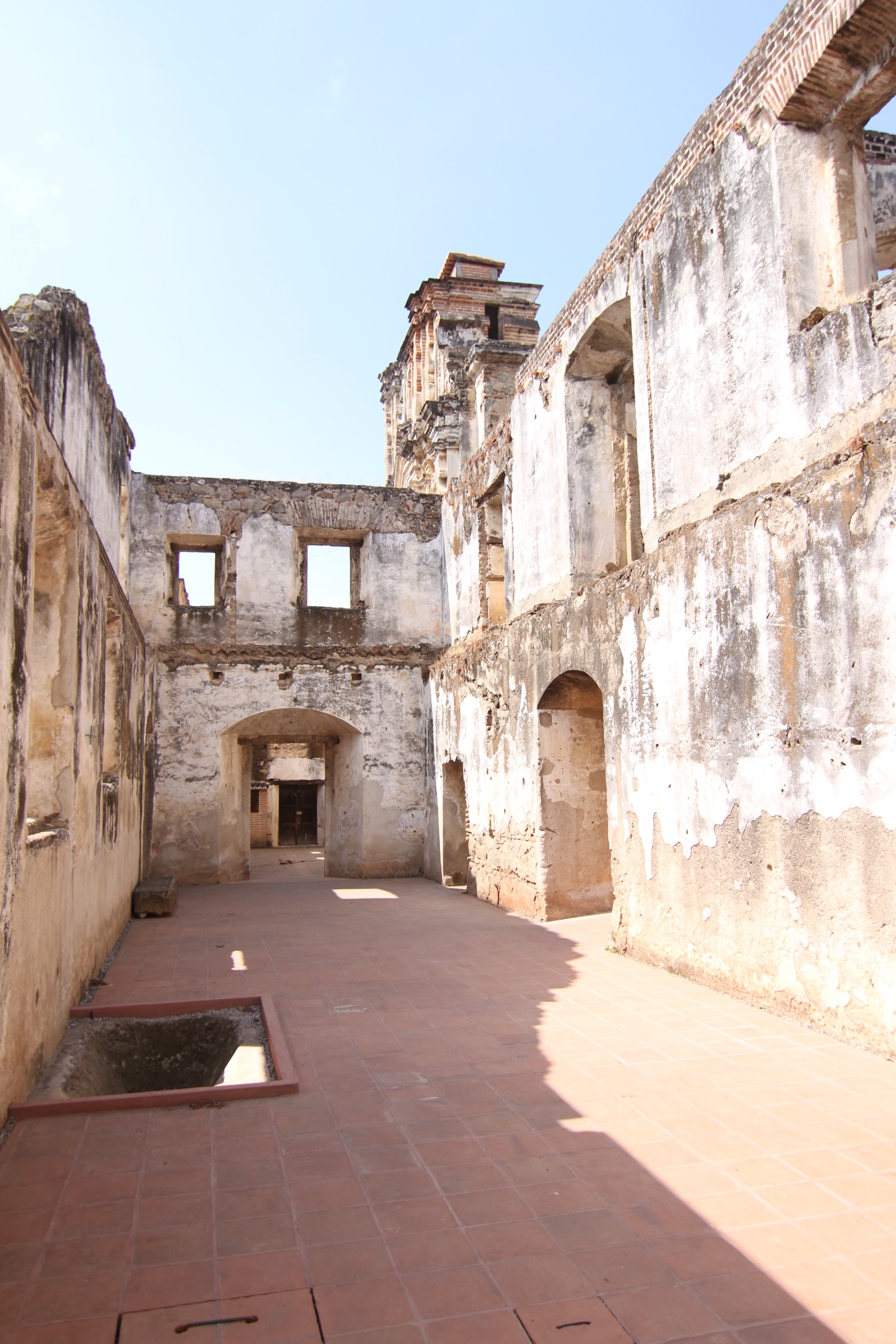
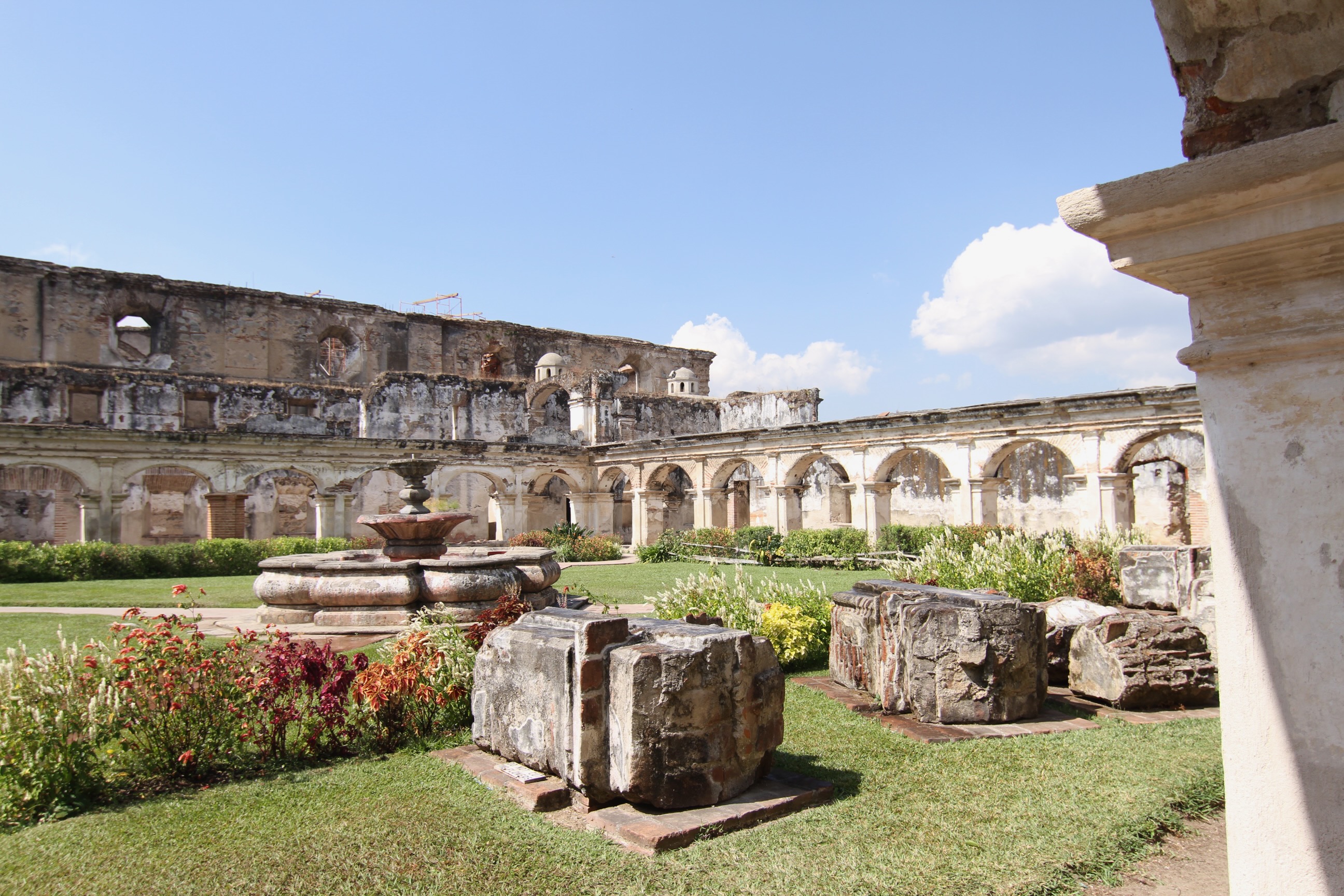
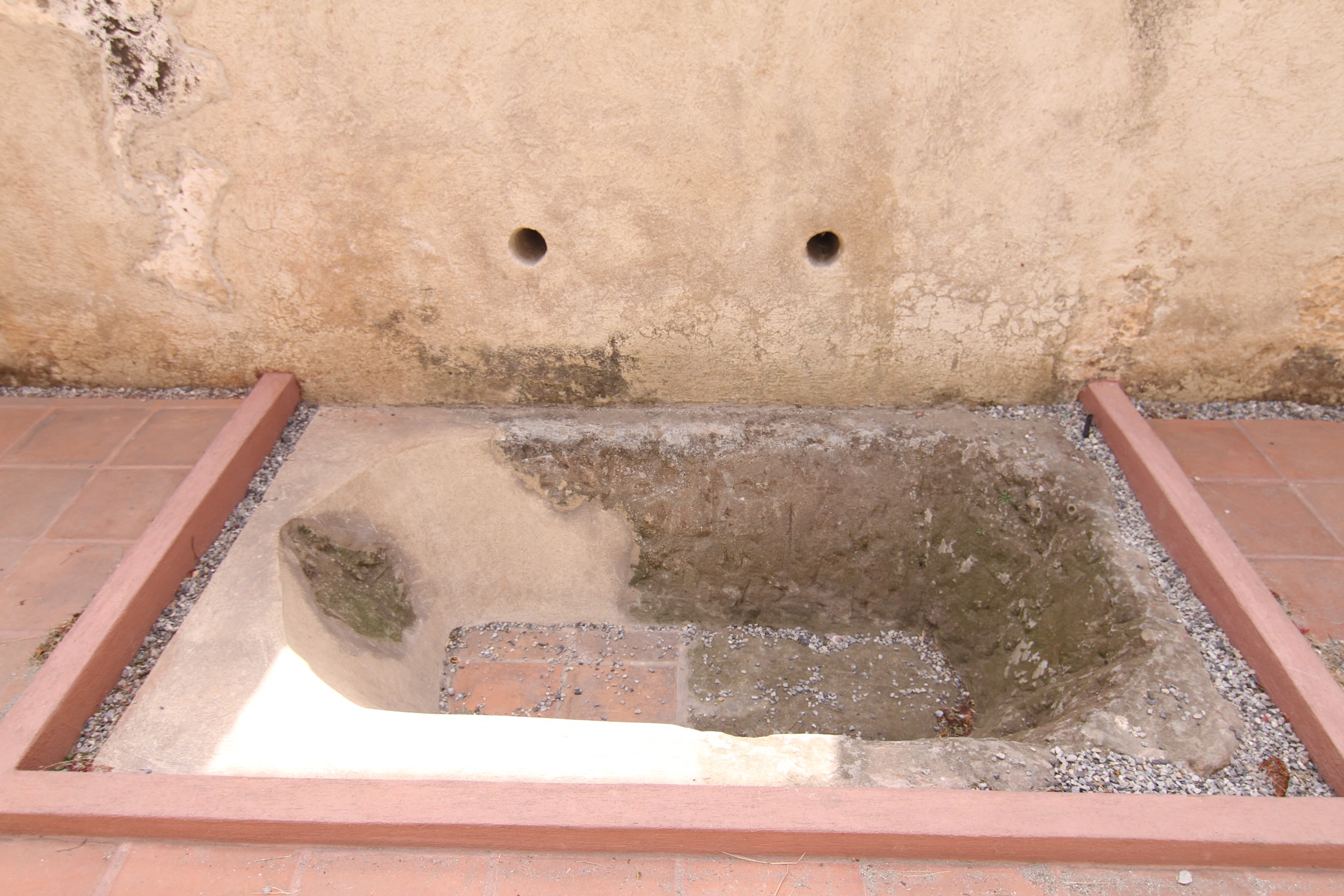
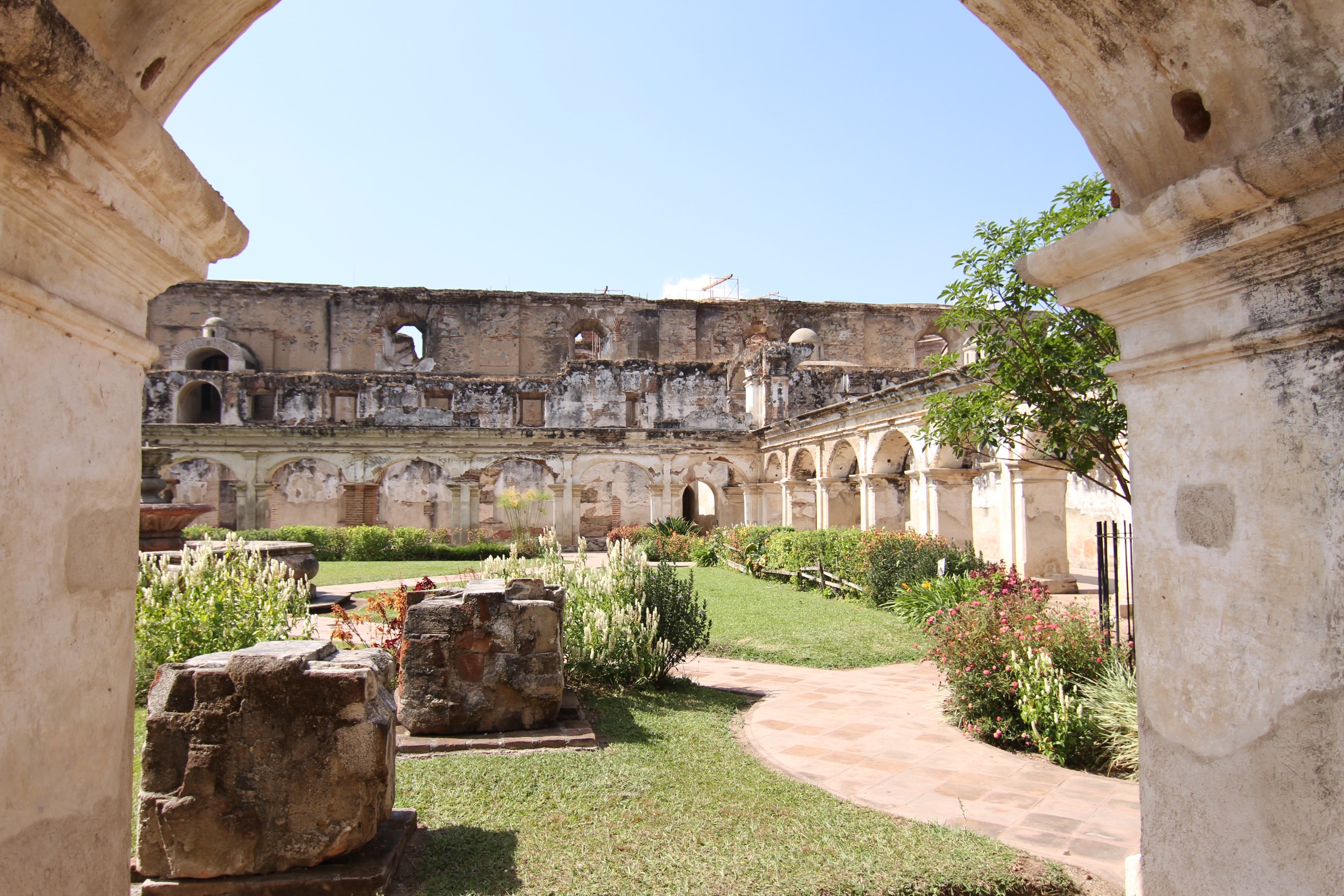
The earthquake of 1717 severely damaged the building and its tile roof to the extent that the nuns could not stay. The construction of the second church and convent started in 1723 and continued through 1734 completing the two-story convent with double arches, cells or housing for 40 to 50 nuns; 46 nuns according to some data, an infirmary, a novitiate, the sacristy, a clinic for convalescents, a hospital for emotionally unstable nuns, a refectory, and a kitchen. The new buildings occupied almost a block, with a large cloister of high and low walls each with nine arches adorning each of three sides of a wide passageway completely encircling the cloister. Above this passageway, on the western and southern sides, was a second passageway where cells in which the convent nuns were supposedly housed. Catacombs occupied a large space under the church and became the last stop for the mission nuns. During these years, the convent became the headquarters and home of the Order of Poor Clares. The second manor repairs, restorations, and new buildings were completed with a generous donation from the President of the Audiencia, Antonio Echeverria Suvisa who died in 1733 without seeing the completed project.
 CubieSphere