
By Cubie Ward, PhD
Major Events Prior to 900 CE
The origin and early years of this group are indeed fascinating topics to explore. To start, it’s important to note that the Ch’ortí people are indigenous to the region that encompasses present-day Guatemala, Honduras, and El Salvador.According to archaeological evidence, their long history in the area, dates back thousands of years. It is believed that their ancestors were part of the larger Maya civilization, which flourished throughout Central America from around 2000 BCE until the arrival of European colonizers.
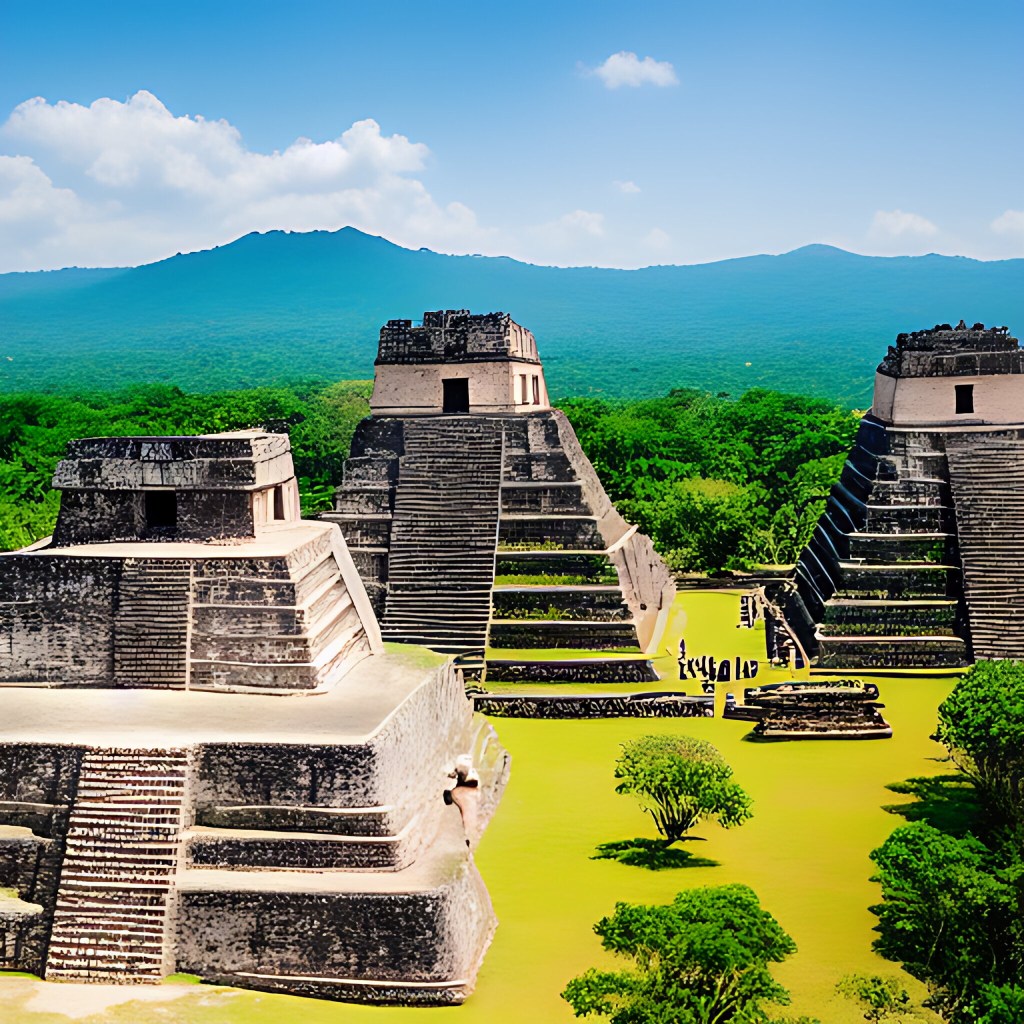
The Ch’ortí developed their specific culture and traditions as they passed through thee major periods prior to 900CD.
Preclassic Period (2000 BCE – 250 CE): During this time, the Maya civilization began to form, and the Ch’ortí were likely an integral part of this cultural development. The Ch’ortí region saw the rise of early Maya city-states and the development of agricultural practices.
Classic Period (250 CE – 900 CE): This era witnessed the peak of Maya civilization and the flourishing of Ch’ortí culture. Prominent Maya city-states, such as Copán in western Honduras, played a vital role in the Ch’ortí history. Copán was a major political and cultural center, known for its impressive architecture, hieroglyphic writing, and intricate artwork.
The Ch’ortí people have a rich oral tradition that traces their lineage and history back to the ancient Maya. They are known for their agricultural practices, including the cultivation of maize (corn), beans, and squash. These practices have been passed down through generations, contributing to the cultural identity of the Ch’ortí people.
What is the Origin of the Ch’ortí People?
The Ch’ortí people are believed to have descended from the broader Maya civilization, which comprised multiple distinct groups and city-states. While it is challenging to pinpoint the exact Mayan group from which the Ch’ortí descended, they are often associated with the eastern branch of the Maya, which includes groups like the Ch’ol, and Poqomam.
The Ch’ol and Poqomam are two distinct Mayan groups that have played significant roles in Central America’s history and culture. Here’s more information about each group and their origins:
The Ch’ol people are a Mayan ethnic group primarily found in the Mexican states of Chiapas, Tabasco, and the Petén region of Guatemala. They have a rich cultural heritage and have maintained their language and traditional practices to this day. The Ch’ol are believed to have originated in the Chiapas region, particularly in the area around the ancient Maya city of Palenque.
The Ch’ol were part of the broader Maya civilization and contributed to its development, particularly during the Classic Period (250 CE – 900 CE). They were skilled in agriculture, ceramics, hieroglyphic writing, and architectural construction. The Ch’ol had their own city-states and political organization, with Palenque being one of the most prominent centers. Today, the Ch’ol people continue to live in various communities in Chiapas and preserve their cultural identity.
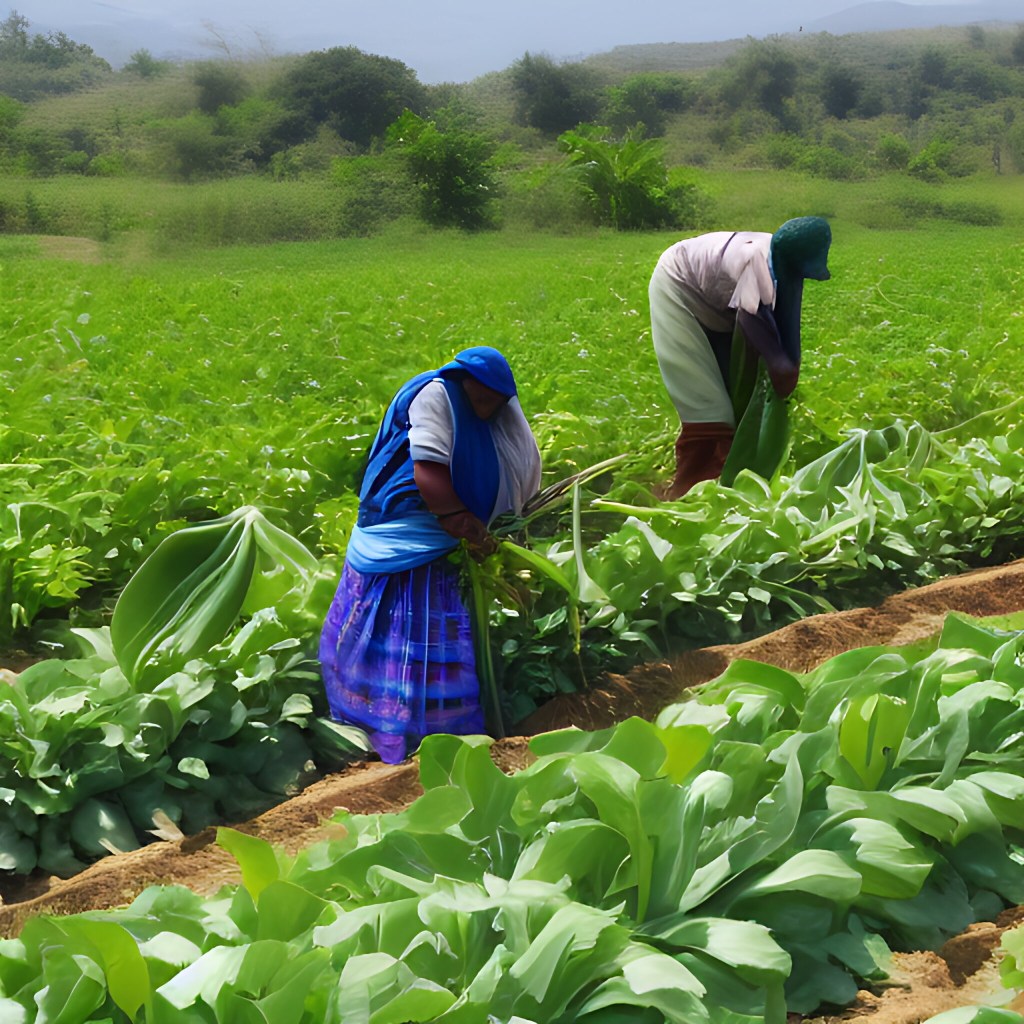
The origin of the Poqomam people is believed to be in the region around the ancient city of Kaminaljuyu, located in present-day Guatemala City. They were part of the wider Maya civilization and interacted with other Mayan groups in terms of trade, warfare, and cultural exchange. The Poqomam were skilled farmers and practiced terrace agriculture in the mountainous terrain where they resided.
Both the Ch’ol and Poqomam groups are integral to the diverse and rich tapestry of indigenous cultures in Central America. Their contributions to the Maya civilization and their ongoing presence in the region highlight the enduring legacy of these indigenous communities.
Antropological Facts that Conribute to Ch’ortí Resilience
Though the Ch’ortí people have faced many challenges, they have managed to maintain their cultural identity and remain an active people group. Several anthropological factors contribute to their resilience:
1. Cultural Adaptability: The Ch’ortí people have shown remarkable adaptability to changing circumstances throughout history. This flexibility has allowed them to adjust to various social, economic, and political changes while still preserving their core cultural practices. They have managed to incorporate external influences and technologies without compromising their distinct identity.
2. Strong Cultural Identity: The Ch’ortí people have a strong sense of cultural pride and identity. They have preserved their language, traditional knowledge, rituals, and practices, which have been passed down through generations. This sense of identity and connection to their ancestral heritage has played a vital role in maintaining their cohesiveness as a people group.
3. Resilience and Resistance: The Ch’ortí people have faced various challenges, including colonization, land dispossession, political marginalization, and economic exploitation. Despite these adversities, they have demonstrated resilience and resistance by organizing themselves to protect their rights and reclaim their lands. This collective resistance has helped them maintain their cultural integrity and continue as an active people group.
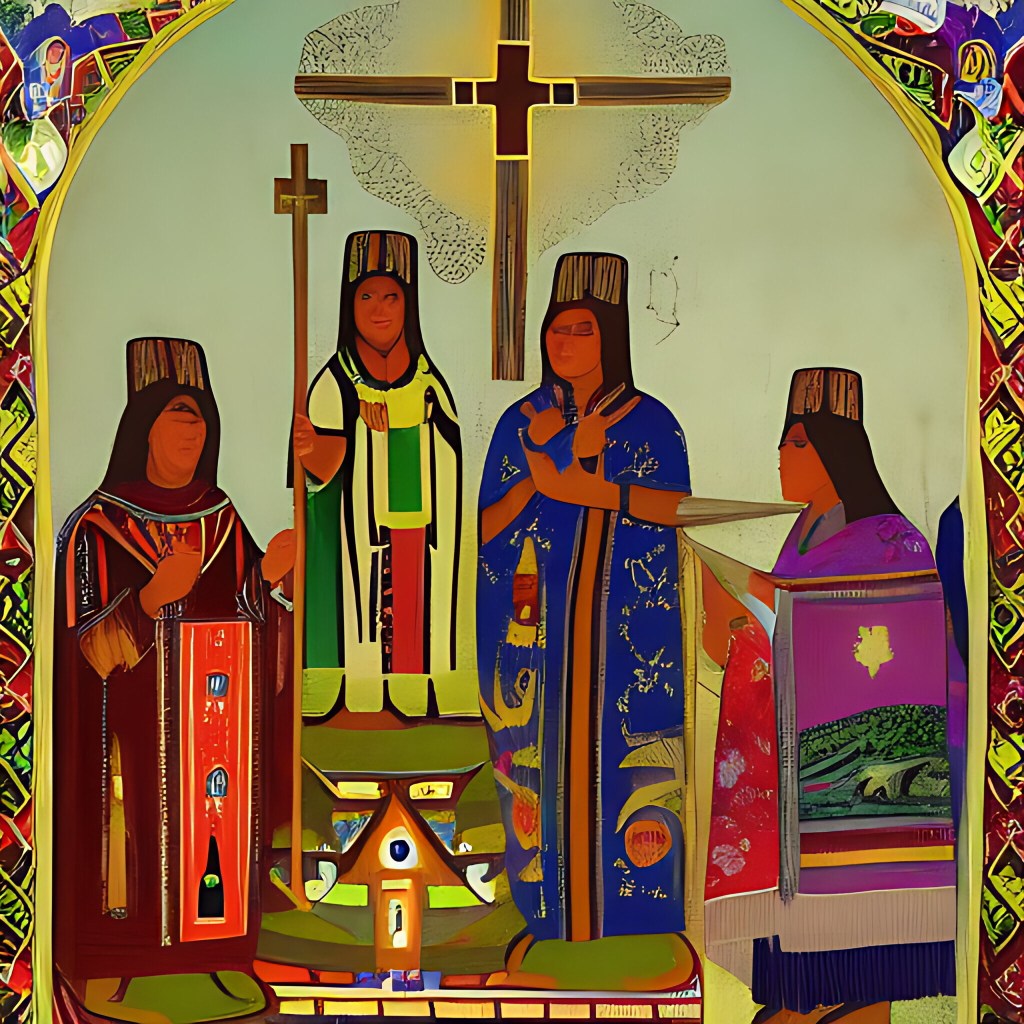
4. Social Organization and Community Support: The Ch’ortí people have a strong sense of community and communal support. They have maintained traditional social structures, such as kinship systems and community governance, which provide a sense of belonging and mutual aid. This social organization has helped them withstand external pressures and maintain their cultural practices.
5. Anthropological Research and Advocacy: The work of anthropologists and researchers in documenting and advocating for the rights of indigenous peoples, including the Ch’ortí, has played a significant role in their continued existence and visibility. These studies have helped raise awareness about their culture, history, struggles, and contributions, providing a platform for the Ch’ortí people to assert their identity and rights.
Overall, the combination of cultural adaptability, strong cultural identity, resilience, community support, and anthropological research and advocacy have contributed to the Ch’ortí people’s ability to persist as an active and vibrant indigenous group in Central America.
The connection to ancestral heritage plays a significant role in maintaining cohesiveness within a community or people group. It encompasses various aspects such as shared traditions, values, customs, language, and historical experiences. Let’s dive deeper into this connection.
Firstly, ancestral heritage often provides a sense of identity and belonging. It allows individuals within a community to understand their roots, where they come from, and the journey their ancestors have undertaken. This knowledge fosters a strong bond among community members, creating a shared sense of pride and unity.
Secondly, ancestral heritage serves as a foundation for cultural practices and traditions. These customs are passed down through generations, preserving the wisdom, knowledge, and values of the community. By engaging in these traditions, individuals not only honor their ancestors but also strengthen the ties that bind them together.
Moreover, ancestral heritage can promote a collective memory of historical experiences. Communities often have stories or events that have shaped their identity and survival over time. By preserving and sharing these narratives, individuals gain a deeper understanding of their shared struggles, triumphs, and resilience. This collective memory not only strengthens their connection to one another but also fosters a sense of solidarity.
Additionally, ancestral heritage often includes a common language or dialect. Language serves as a powerful tool for communication, allowing individuals to express themselves and share ideas effectively. When a community shares a language, it further enhances their ability to connect, understand, and support one another.
In summary, the connection to ancestral heritage is crucial for maintaining cohesiveness within a people group. It provides a sense of identity, preserves cultural traditions, fosters collective memory, and strengthens communication. This bond allows individuals to feel a part of something larger than themselves, creating a supportive and united community.
Stories and Events that have Shaped Community identity
Stories and events that have shaped the identity of a community are an integral part of ancestral heritage. These narratives not only provide a historical account but also hold deep cultural significance. Let’s explore further:
Stories passed down through generations play a crucial role in shaping a community’s identity. These tales often include legends, myths, folktales, or even personal stories of ancestors. They serve as a means of preserving the wisdom, values, and beliefs of the community. By sharing these stories, individuals are connected to their past, and they gain insights into their cultural heritage. The stories may include heroic deeds, moral lessons, or even explanations of natural phenomena. They contribute to the collective memory and identity of the community, reminding individuals of their shared roots and shaping their understanding of who they are.
The Ch’ortí people have traditional creation stories that explain their origins and the world they inhabit. These stories often involve mythical beings and supernatural events, conveying their belief in the interconnectedness of humans, nature, and the spiritual realm. These creation stories are crucial in shaping their understanding of their place in the universe and their responsibility to preserve their cultural heritage.
Historical events that have influenced the community’s development and survival also contribute to their identity. These events can be significant milestones, struggles, or even hardships that the community has faced throughout its history. They may include stories of resistance against colonization, migration to new lands, or overcoming adversity. By remembering and honoring these events, individuals develop a sense of resilience and pride in their collective heritage. The shared memory of these events strengthens the bonds within the community and reinforces their unity and determination.
The Popol Vuh: The Ch’ortí people, like other Mayan communities, hold the Popol Vuh as a sacred text. It is an ancient Mayan book that contains myths, legends, and historical accounts. The stories in the Popol Vuh reflect the Ch’ortí worldview, emphasizing their connection to nature, their ancestors, and the divine. These stories provide a framework for their cultural practices, rituals, and moral values.
Agricultural Traditions: Agriculture has been a fundamental aspect of Ch’ortí culture for centuries. The knowledge and practices related to farming, crop cultivation, and land management have been passed down through generations. The stories and events surrounding agricultural traditions, such as the harvest festivals and rituals, reinforce the Ch’ortí people’s connection to the land, their reliance on nature’s cycles, and their identity as a farming community.
Resistance against Spanish Conquest: Like many indigenous communities in Central America, the Ch’ortí people faced the Spanish conquest during the 16th century. While the conquest brought significant challenges and changes, the Ch’ortí people’s resistance and resilience against the Spanish colonization efforts have become an integral part of their community identity. These stories of resistance and survival serve as a reminder of their strength, cultural heritage, and determination to preserve their traditions.
Language Revitalization Efforts: In recent years, the Ch’ortí people have been actively working to revitalize and preserve their endangered language. Language revitalization initiatives, such as community-led language schools and documentation projects, have become significant events that shape the Ch’ortí community’s identity. These efforts strengthen their cultural pride, foster intergenerational connections, and reinforce the importance of their unique linguistic heritage.
Both stories and events help to shape the identity of a community by providing a narrative thread that connects the past to the present. They serve as a reminder of the struggles, values, and achievements that have shaped the community’s journey. By passing down these stories and commemorating significant events, individuals gain a deeper understanding of their cultural identity and are inspired to carry forward the legacy of their ancestors.
Stories and events that have shaped a community’s identity are an essential part of their ancestral heritage. These narratives preserve cultural wisdom, values, and beliefs, while historical events provide a collective memory of significant milestones and struggles. By embracing these stories and events, individuals strengthen their connection to their roots and develop a sense of pride and unity within their community.These stories and events, among others, contribute to the rich tapestry of Ch’ortí community identity, reinforcing their cultural values, historical experiences, and spiritual connection to their ancestral traditions.
The interconnectedness of humans, nature, and the spiritual realm is a fundamental belief in Ch’ortí culture. Here are a few examples that illustrate this interconnectedness:
Sacred Sites: The Ch’ortí people have sacred sites in their ancestral territories that they consider to be the dwelling places of spirits and deities. These sites, often located in natural landscapes such as mountains, caves, or rivers, are believed to have spiritual energy and significance. The Ch’ortí people maintain a deep connection with these sites and often perform rituals, ceremonies, and offerings to honor and communicate with the spiritual realm.
Rituals and Offerings: The Ch’ortí people have various rituals and ceremonies that demonstrate their belief in the interconnectedness of humans, nature, and the spiritual realm. These rituals often involve offerings of food, flowers, and other symbolic items to the natural elements, spirits, and ancestors. Through these rituals, the Ch’ortí people seek to maintain balance and harmony with nature, express gratitude, and seek blessings from the spiritual realm.
Agricultural Practices: Agriculture is deeply intertwined with the Ch’ortí people’s relationship with nature and the spiritual realm. Before planting or harvesting crops, they perform rituals and ceremonies to seek blessings, guidance, and protection from the spiritual forces. These practices reflect their belief that their well-being and success in farming are interconnected with the spiritual realm and the natural cycles of the earth.
Ancestral Worship: The Ch’ortí people hold a deep reverence for their ancestors and believe in their continued presence in the spiritual realm. They maintain a strong connection with their ancestors through rituals, offerings, and storytelling. The Ch’ortí people believe that their ancestors provide guidance, protection, and wisdom from the spiritual realm, emphasizing the interconnectedness between the living, the deceased, and the divine.
Cosmology and Timekeeping: The Ch’ortí people have a complex cosmology that links celestial events, such as the movements of the sun, moon, and stars, to their daily lives. Their traditional calendars and timekeeping systems are based on the observation of natural phenomena. This cosmic connection reflects their understanding of the interconnectedness between humans, nature, and the celestial realm.
These examples highlight how the Ch’ortí people perceive the spiritual realm as an integral part of their existence, guiding their relationship with nature, shaping their rituals and ceremonies, and reinforcing their identity as a community deeply rooted in the interconnectedness of humans and the natural world.
Syncretism of Traditional Ch’ortí Religion with Catholicism
Syncretism is the blending of two or more religious or cultural traditions into a new one. It is an intentional assimilation, adaptation, and combination of cultural elements to serve a particular purpose or to create new practices, customs, ideas, and forms of expression.
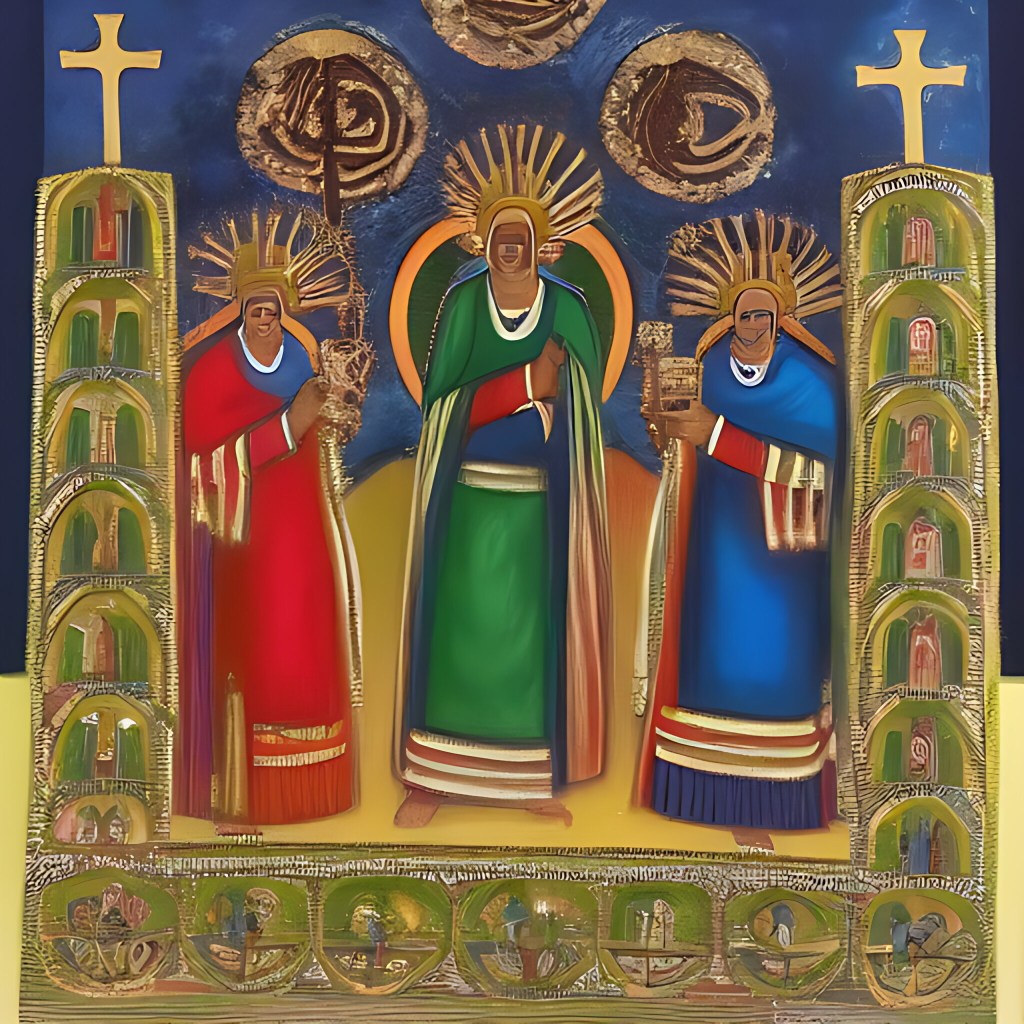
One historical evidence of the Ch´ortí people´s ability to adapt to new circumstances was their ability to syncretize their traditional religion with that of the new Catholicism brought by the conquering Spanish. When the Spanish colonizers arrived in the region, they brought Catholicism, which gradually became the dominant religion. However, rather than completely replacing Ch’orti’ traditions, many elements of Ch’orti’ culture were incorporated into the practices and rituals of the Catholic Church. This practice opened the Catholic mass to the Honduran traditional groups making it easier to incorporate the local Indians into the newly arrived Catholic traditions.
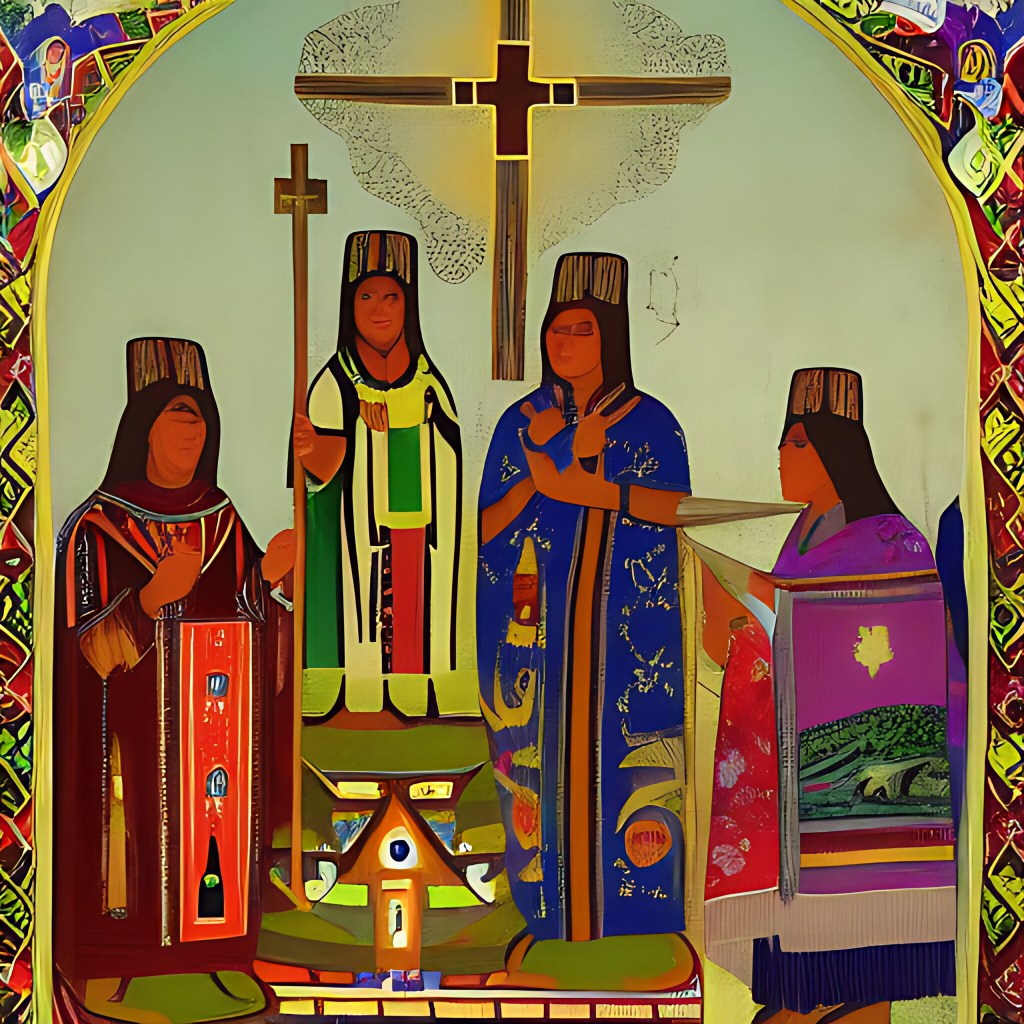
One example of syncretism in the Ch’orti’ people’s Catholicism is the incorporation of traditional Mayan rituals and deities into Catholic religious practices. For instance, they may combine elements of their indigenous agricultural rituals with Catholic ceremonies, such as offering prayers to both the Christian God and their ancestral agricultural deities for a successful harvest.
Another example of this syncretism is the integration of Ch’orti’ cosmology and worldview into Catholic beliefs. Ch’orti’ people often understand the world as having multiple layers or levels, with different spiritual beings inhabiting each level. These layers may include the earthly realm, the celestial realm, and the underworld, among others. Each level is associated with different deities, ancestors, or spirits. The Catholic Church acknowledges the existence of various spiritual beings, such as angels, saints, and demons, which can be seen as similar to the Ch’orti’ understanding of multiple spiritual entities inhabiting different levels. This concept of multiple spiritual realms and entities has been incorporated into the Catholic understanding of the cosmos in many communities where Ch’ortí people and traditions dominate the area.
The Ch’orti’ belief in the presence of ancestors and their continued influence on the living has been incorporated into Catholic practices. Ch’orti’ people may venerate their ancestors and seek their guidance or protection. In Catholicism, this concept is reflected in the veneration of saints, who are seen as intercessors between the earthly realm and the divine realm. Ch’orti’ individuals may continue to honor their ancestors while also praying to Catholic saints for help or blessings.
Ch’orti’ rituals and ceremonies, such as ancestral veneration and offerings to spirits, have also been incorporated into Catholic practices. For instance, in some Ch’orti’ communities, Catholic altars may include images or symbols of Ch’orti’ ancestors alongside Christian saints. Traditional practices, such as the use of cacao or other offerings during ceremonies, may also be blended with Catholic rituals in many Ch’ortí communities.
Similarly, Ch’orti’ rituals and offerings to spirits have found a place within Catholic ceremonies. Ch’orti’ people may use traditional items like cacao, corn, or other symbolic offerings during rituals, which have been incorporated into Catholic practices such as Mass or processions. These offerings may be seen as a way to communicate with both Ch’orti’ ancestral spirits and Catholic saints or divine beings.
Similarly, Ch’orti’ festivals and celebrations have been adapted to fit within the Catholic calendar. For instance, the Ch’orti’ New Year, known as Wajxaqib’, which typically falls in late July, has been reinterpreted as the feast day of St. James the Apostle by the Catholic Church. This allows Ch’orti’ people to continue their traditional celebrations while also participating in Catholic religious observances.
Another example of syncretism during the Spanish conquest of Central America was the Day of the Dead holiday, which is celebrated in Mexico and other parts of Central America. The holiday is a blend of pre-Hispanic indigenous beliefs and Catholicism. The indigenous people believed that the dead returned to the world of the living once a year, and the Catholic Church incorporated this belief into the holiday by making it coincide with All Saints’ Day and All Souls’ Day².
It’s important to note that the extent of syncretism can vary among individuals and communities. Some Ch’orti’ individuals may fully embrace Catholicism and see it as compatible with their traditional beliefs, while others may maintain a stronger emphasis on their indigenous practices. The syncretic process is dynamic and ongoing, shaped by individual beliefs, local customs, and the broader social and cultural contexts in which the Ch’orti’ people live. The specific practices and rituals that have been syncretized depend on the local context, the beliefs of the individuals involved, and the historical, social, and cultural factors at play.
The Ch’orti’ Relationship with the Government and the Catholic Church
The Ch’orti’ people’s relationship with the government and the Catholic Church has evolved over time and can vary among individuals and communities. Here is an overview of their relationship with these institutions:
- Government: Historically, the Ch’orti’ people have faced marginalization and exclusion from political and economic power structures. This has resulted in a complex relationship with the government. Many Ch’orti’ communities have advocated for their rights, land, and cultural preservation. They have organized themselves to assert their indigenous identity and demand recognition, representation, and participation in decision-making processes. Efforts have been made to secure legal recognition of their territories and to promote their cultural heritage.

The Catholic Church has played a significant role in the Ch’orti’ communities, providing access to education, healthcare, and social services. However, there have also been instances of cultural assimilation and imposition of Catholic beliefs and practices, leading to tensions and conflicts between traditional indigenous practices and Catholic teachings.
In recent years, there has been a growing movement among the Ch’orti’ people to reclaim and revitalize their indigenous spirituality, customs, and ceremonies. This has led to a reevaluation of their relationship with the Catholic Church and a reaffirmation of their own ancestral practices.
Overall, the Ch’orti’ people’s relationship with the government and the Catholic Church is multifaceted, ranging from resistance and advocacy to adaptation and syncretism. Their interactions with these institutions are shaped by their ongoing struggles for recognition, autonomy, cultural preservation, and the assertion of their rights as indigenous people.
The relatio Ch’orti’ People and the Evangelical Church
The relationship between the Ch’orti’ people and the evangelical church has indeed been increasing in recent years. Here’s an explanation of this evolving relationship. In the community of Gotas de Sangre, there are several churches offering spiritual service to this community. In this communty there is one Episcopal mission and one Catholic plus several small evangelical churches in Gotas and surrounding communities.
In the past few decades, there has been a significant rise in evangelical Christianity in many indigenous communities, including the Ch’orti’ people. This growth can be attributed to various factors, such as the appeal of a more personal and emotional religious experience, the influence of missionaries, and the desire for spiritual alternatives to Catholicism.
Evangelical churches, both local and international, have actively engaged in outreach efforts among the Ch’orti’ people. Missionaries and evangelists have established churches, conducted pastoral work, and organized religious events within Ch’orti’ communities. They have focused on evangelization, Bible studies, and spiritual guidance, often attracting a considerable number of Ch’orti’ converts. For instance, last June over 100 people attended COTI’s medical mission to Honduras just from two Ch’ortí villages. This medical attention is very attractive to these villages partly because the medical attendtion is free and these communities are very poor. Fr. Marco Varela reports that attendance has increased in the Episcopal mission of Gotas de Sangre.
The evangelical church’s approach to evangelization often involves accommodating local cultural practices, including language, music, and rituals. This strategy has allowed the Ch’orti’ people to maintain a sense of cultural identity while adopting evangelical Christianity. The evangelical church’s acceptance of Ch’orti’ traditions and rituals has made it more appealing to the Ch’orti’ population.
Like the Catholic Church, evangelical churches have also provided social services, including education, healthcare, and community development initiatives, which have had a positive impact on the Ch’orti’ communities. These services, along with the spiritual support, have contributed to the growth of the evangelical church’s influence.

It’s important to note that the increasing influence of the evangelical church among the Ch’orti’ people is not uniform, and there are still Ch’orti’ individuals and communities who adhere to traditional indigenous spirituality or Catholicism. The relationship between the Ch’orti’ people and the evangelical church is a complex and evolving one, influenced by various socio-cultural, historical, and personal factors.
Where are the Chótí Today?
Today, Ch’ortí population centers can be found in areas such as the departments of Chiquimula and Zacapa in Guatemala, as well as the Copán region of Honduras. These regions continue to be important cultural and historical hubs for the Ch’ortí people.
Regarding the dispersal of the Ch’ortí people throughout Central America, it’s important to note that different indigenous groups were spread across the region over time. While many Ch’ortí people still reside in their ancestral lands in eastern Guatemala, western Honduras, and northwestern El Salvador, there has been some dispersion due to various historical factors, including colonialism, forced relocation, and migration.
 CubieSphere