
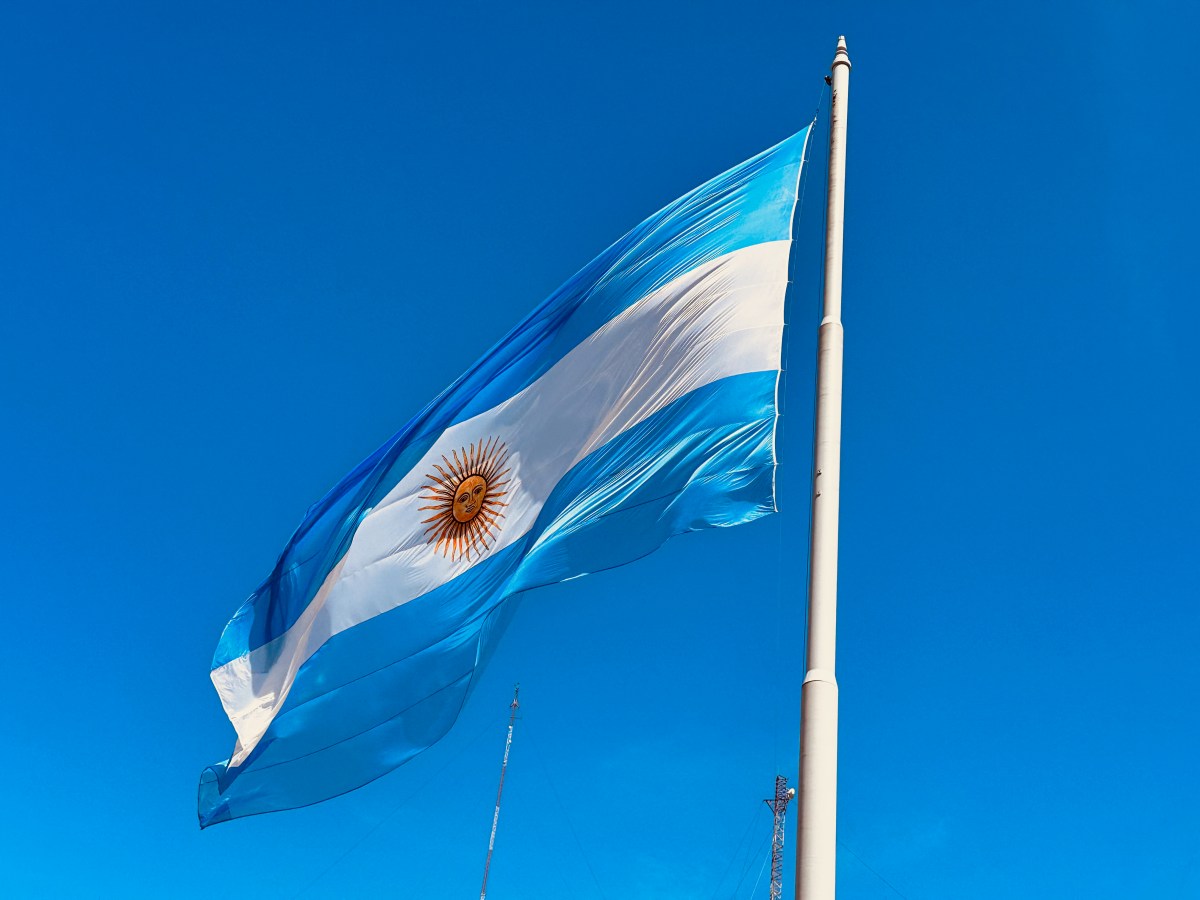
The Argentinian Election of 2023
Argentina held a “key presidential election” yesterday, and the outcome was crucial for the country’s economy. The two main contenders were “Javier Milei”, an anti-establishment candidate, and “Sergio Massa, the Economy Minister from the mainstream Peronist coalition. The election process in Argentina involved placing paper ballots into envelopes and then into a collection carton. The ballots were then counted by local officials and reported to the national election authority.
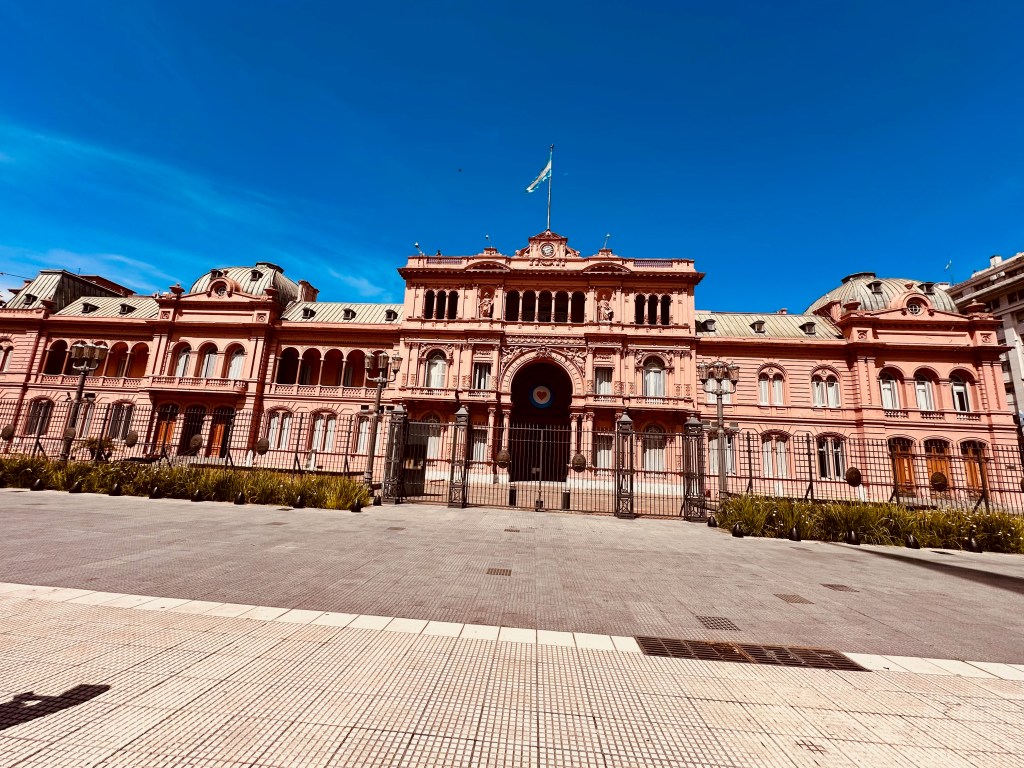
Yesterday’s election in Argentina was a “run-off election” that determined the next president and vice president. Although some Argentinian political writers claim that Milei will cause the government to shift toward autocracy, there is no proof that such a shift will happen. However, the outcome will undoubtedly have significant implications for the country’s political direction.
Javier Milei, a far-right libertarian outsider, has emerged victorious in Argentina’s presidential run-off election. Economy Minister Sergio Massa conceded defeat and congratulated his rival. In his victory speech, Javier Milei promised to “Make Argentina Great Again!”.
Argentina’s Democratic History
Since gaining independence from Spain in1816, Argentina has witnessed a dynamic political landscape with several changes of government. Below is history of Argentine events leading to the current election:
1. Early Years (1816–1854): After independence from Spian, Argentina grappled with tension between Centralist and Federalist forces. In 1854, the Federalist provinces ratified a constitution, establishing the Argentine Confederation. However, Centralists in Buenos Aires repudiated this and declared themselves independent.
2. Golden Era (1853–1913): Argentina experienced strong economic growth and institutional modernization. By 1913, it had ascended to become one of the 10 wealthiest countries globally, propelled by its 1853 Constitution.
3. Periods of Democracy and Military Rule: Between 1930 and 1976, the armed forces overthrew six governments in Argentina. The country had alternated between periods of democracy (1912–1930, 1946–1955, and 1973–1976) and restricted democracy under military rule.
4. Recent Democratic Changes: Since 1983, Argentina experienced democratic transitions that decreased indebtedness between 1983 and 2003. Elections played a pivotal role in shaping the government as demonstrated in those periods listed above.
5. The 2023 Election: Yesterday’s election marked another instance of democratic change in Argentina’s government, reflecting the ongoing commitment to democratic processes. The current question is whether democracy will continue to stand.
In summary, Argentina’s political journey has seen both democratic and non-democratic shifts, with elections playing a crucial role in shaping its governance..
Candidates and Results
Incumbent president Alberto Fernánde and vice president/former president Cristina Fernández de Kirchner could not seek re-election.
In the first round, Sergio Massa of the ruling Union for the Homeland (UP) unexpectedly came in first place with 36% of the vote. Javier Milei of the Liberty Advances (LLA) secured second place with 30% of the vote. Patricia Bullrich, a former security minister, came in third and therefore was excluded from the run-off. The winner will face significant challenges, including grappling with triple-digit inflation, currency instability, and an IMF aid program
.
Massa’s victory in the first round was seen as an upset due to the severe inflation during his tenure as Minister of Economy and Milei’s lead in pre-election polls.
General elections were held in Argentina on “October 22, 2023”, where voters elected the president, vice president, members of the national congress, and governors of most provinces. A run-off election was declared and set for November 19, 2023, specifically to elect the president and vice president. The winner of the run-off is scheduled to be “sworn in on December 10, 2023”.
The two candidates’ positions on national issues vary significantly, with Massa being a centrist and Milei adopting a more libertarian stance. Candidate and president elect, Javier Milei, often considered the authoritarian option, has expressed admiration for certain world leaders such as Bolsonario de Brazil, Receptor Tayyip Erdogan of Turkey and Victor Obán, Hungarian Prime Minister. Some observers have drawn parallels between Milei’s approach and the philosophical model followed by former U.S. President Donald Trump. This comparison likely relates to their populist and unconventional styles.
Democratic vs. Autocratic Style
While the election outcome will significantly impact Argentina’s governance, it’s essential to note that the contest was primarily between different political ideologies and policy approaches. The election did not explicitly determine whether Argentina remains a democratic or will become an autocratic government. However, the policies and leadership style of the winning candidate will undoubtedly shape the country’s trajectory in terms of democratic institutions, economic policies, and social issues.
Milei’s Authoritarian Stance and Views of Government
Javier Milei, the far-right frontrunner and winner in Argentina’s presidential election, has indeed stirred controversy and drawn attention for his unorthodox views and rhetoric. Let’s explore his connections and positions:
Milei positioned himself as a “libertarian outsider” who aims to challenge the political establishment. His campaign promised to “slash state spending”, “dollarize the economy”, and “shut down Argentina’s central bank” to combat inflation. His approach is often characterized as “far-right”, and he has been compared to former U.S. President Donald Trump and Brazil’s Jair Bolsonaro.
The comparison of Javier Milei to former U.S. President Donald Trump and Brazil’s Jair Bolsonaro has had both positive and negative effects on his election chances in Argentina:
1. Positive Effects:
Like Trump and Bolsonaro, Milei positioned himself as an “outsider” who challenges the political establishment. This anti-establishment stance resonated with voters who are frustrated with the current and previous governments’ handling of Argentina’s economic crisis.
Milei’s Populist and provocative rhetoric and often controversial statements, similar to Trump’s style, garnered attention and energized his base. His attacks on established political parties and promises of radical reforms appealed to those seeking change.
Milei’s libertarian economic views align with Trump’s deregulation and tax-cutting agenda. His proposals to abolish Argentina’s central bank, dollarize the economy, and privatize state-run firms echo Trump’s pro-business approach.
Negative Effects
The comparison to Trump and Bolsonaro also polarized voters. While some see Milei as a refreshing alternative, others view him as divisive and dangerous due to his radical positions. Milei’s controversial statements and attacks on opponents, climate-change denial, and opposition to abortion have drawn criticism. His rhetoric, reminiscent of Trump’s, alienated certain segments of the electorate.
Some voters worry that Milei’s far-right views could risk extremism or lead to extreme policies which could undermine democratic institutions. His admiration for Bolsonaro, who copied Trump’s anti-democratic tactics, raised concerns about the erosion of democratic norms.
Milei expressed intentions to review Argentina’s relations with its main commercial partners, China and Brazil, because he believes the country cannot have “communist partners”. His foreign policy stance is based on “ideological principles” that align with his radical reformist agenda.
In summary, while the comparison to Trump and Bolsonaro boosted Milei’s visibility and appeal to certain voters, it also raised questions about the potential risks associated with his candidacy. The final outcome will depend on how voters react if his stated goals come to fruition and if these factors affect the context of Argentina’s unique political landscape.
Milei is Critical of Various World Events
During interviews and debates, Milei made provocative statements about various figures. He harshly criticized Pope Francis, claiming that the Pope has an affinity for “murderous communists“ and supports “dictators” like the presidents of Cuba and Venezuela.
Most notably, Milei has questioned the consensus on the number of victims during Argentina’s Dictatorship Victims of the 1976-83 military rule. He claimed that there were “8,753 victims”, challenging the widely accepted figure of “30,000”.
Milei worked for Eduardo Eurnekian, one of Argentina’s richest business leaders. Eurnekian initially supported Milei’s campaign but later withdrew support, citing concerns that Milei showed signs of becoming a dictator. These comments Milei challenged declaring Eurnekian a closet socialist.
Foreign Policy and Ideology
Javier Milei, the far-right winner in Argentina’s presidential election, indeed provoked both alarm and outrage with his unorthodox views and rhetoric. Let’s delve into his connections and positions:
1. Questioning Argentina’s Democratic Future: Milei made questioning the decades-long consensus over the nature of Argentina’s dictatorship and the number of victims a key plank of his campaign. During a recent debate, he controversially claimed that there weren’t 30,000 victims during the 1976-83 military rule, but rather 8,753 victims.This stance infuriated victims’ families and survivors who value the idea of memory, truth, and justice.
2. Foreign Policy and Ideology: Milei intends to review Argentina’s relations with its main commercial partners, China and Brazil, because he believes the country cannot have “communist partners”. His foreign policy stance is based on “ideological principles” that align with his radical reformist agenda.
In summary, while Milei’s candidacy represents a departure from traditional politics in Argentina, his views on historical events and governance have sparked intense debate. The election outcome will significantly impact Argentina’s future direction, and voters must weigh these factors carefully.
Argentina’s and Neighbors
The government of Argentina wields influence over its neighboring countries through various channels. Argentina’s government policies significantly affect neighboring countries in South America. Trade relations, regional stability, and cooperation on various issues are closely linked. Let’s explore some of these issues:
1. Economic Ties: Argentina is a significant player in the Southern Cone region of South America. Its economic policies, trade agreements, and investment decisions impact neighboring countries through trade partnerships, cross-border investments, and joint infrastructure projects shape the economic landscape.
2. Regional Diplomacy: Argentina actively participates in regional forums such as Mercosur (Southern Common Market) and the Union of South American Nations(UNASUR). Through diplomatic channels, Argentina collaborates on issues like border disputes, environmental conservation, and regional security.
3. Cultural and Social Influence: Argentina’s rich cultural heritage, including tango, literature, and cinema, resonates across borders. Argentina’s shared cultural ties foster connections and understanding among neighboring nations.
4. Migration and People-to-People Relations: Argentina has a history of receiving immigrants from neighboring countries. Events like labor migration and family ties contribute to social and economic interactions.
5. Political Alliances and Disputes: Political shifts in Argentina has impacted regional dynamics. Without doubt, these alignments or disagreements with neighboring governments affected regional stability.
6. Natural Resources and Environment: Argentina shares natural resources (such as waterways and forests) with neighboring countries which requires a close and important relationship with each country. Policies related to water management, deforestation, and climate change have cross-border implications.
7. Security and Defense Cooperation: Argentina collaborates with neighbors on security matters. Joint efforts combat transnational crime, drug trafficking, and terrorism. For example, Argentina designated the entirety of Hizballah as a terrorist organization, with U.S. collaboration.
8. Currency Stability and Business Impact: The Argentinian currency (the **peso**) has faced challenges, including high inflation. The election outcome may impact investor confidence, business stability, and currency fluctuations.
9. U.S.-Argentina Relationship: Historically, the relationship between the United States and Argentina has been multifaceted, covering trade, diplomacy, and cultural ties. The election results could influence bilateral relations, especially if Milei significantly shifts any policies affecting the United States. Here are key aspects of their bilateral relationship:
1. Economic Ties and Shared Interests: The United States and Argentina maintain a bilateral relationship based on deep economic ties. Other areas of shared interest include, democracy and human rights ti which both countries prioritize democratic these values and human rights. Both the United States and Argentina are committed to counterterrorism and rule of law. Argentina has been a key ally in counterterrorism efforts in the Western Hemisphere for many years. Citizen security is also another issue of cooperation between the United States and Argentina. Both countries advocate collaborative initiatives that address crime and security challenges. Science, Energy, and Technology Infrastructure are interests with joint efforts promoting scientific research and technological advancements. People-to-People Ties and Education through cultural exchanges and educational programs foster greater understanding and connections.
In summary, Argentina’s government plays a multifaceted role in shaping regional affairs, fostering cooperation, and addressing shared challenges. This analysis is based on available information, and the situation may evolve as the results as the new president takes office and begins his administration.
Argentina’s Current Economic and Political Challenge
Argentina is a country with a rich and complex political history and grapples with economic challenges and currency stability. Let’s delve into the current situation:
1. Currency Stability: The stability of the Argentinian currency (the Argentine peso) has been historically volatile. Currency devaluation has occurred multiple times due to economic crises and financial pressures for the past 40 years. Recently, the government devalued the official foreign exchange rate by 18% and raised interest rates by 21 percentage points, pushing borrowing costs to 118%. Currency controls have been imposed to stabilize markets during the ongoing financial crisis. Recently Argentine assets experienced a selloff, with bonds due in 2030 falling significantly. The election outcome may influence investor confidence, business decisions, and economic policies. It will be interesting to see how the Milei government will handle these challenges.
2. Business and Commerce Effects: Investors and businesses dislike uncertainty and the election of an unknown actor. Election will impact investor sentiment and business planning. Depending on the winning party’s ideology, there may be shifts in economic policies, trade agreements, and taxation as Milei implements his policies. This will certainly be true for oreign investment. A stable government can attract foreign investment, while political instability may deter it. The stability of the new incoming government can definitely affect rade relations with all trading partners, both with neighboring countries and global partners.
3. Local Currency Implications: The election results may lead to fluctuations in the Argentine peso. If the new government implements pro-business reforms, it could stabilize the currency. Conversely, populist policies might exacerbate currency volatility.Businesses and individuals will need to closely monitor developments and adapt their financial strategies.
The election’s impact on business, commerce, and the local currency hinges on policy choices, investor confidence, and economic stability. The path forward will depend on the new government’s actions and commitment to addressing economic challenges.
Remember that this analysis is based on available information, and the situation may evolve as the results of the election progresses. In summary, the U.S.-Argentina relationship is influenced by economic, political, and social factors. The election of Milei will shape the future dynamics, emphasizing the need for pragmatic cooperation and shared goals.
 CubieSphere