

A Brief Description of Poverty and How We Can Help Children
- Poverty is More than Scarcity of Resources
Poverty is a condition characterized by a lack of material resources, access to basic necessities, and limited opportunities for social and economic advancement. It is a multidimensional issue that encompasses not only the lack of income or financial resources but also the deprivation of essential needs such as food, clean water, shelter, healthcare, education, and social support.

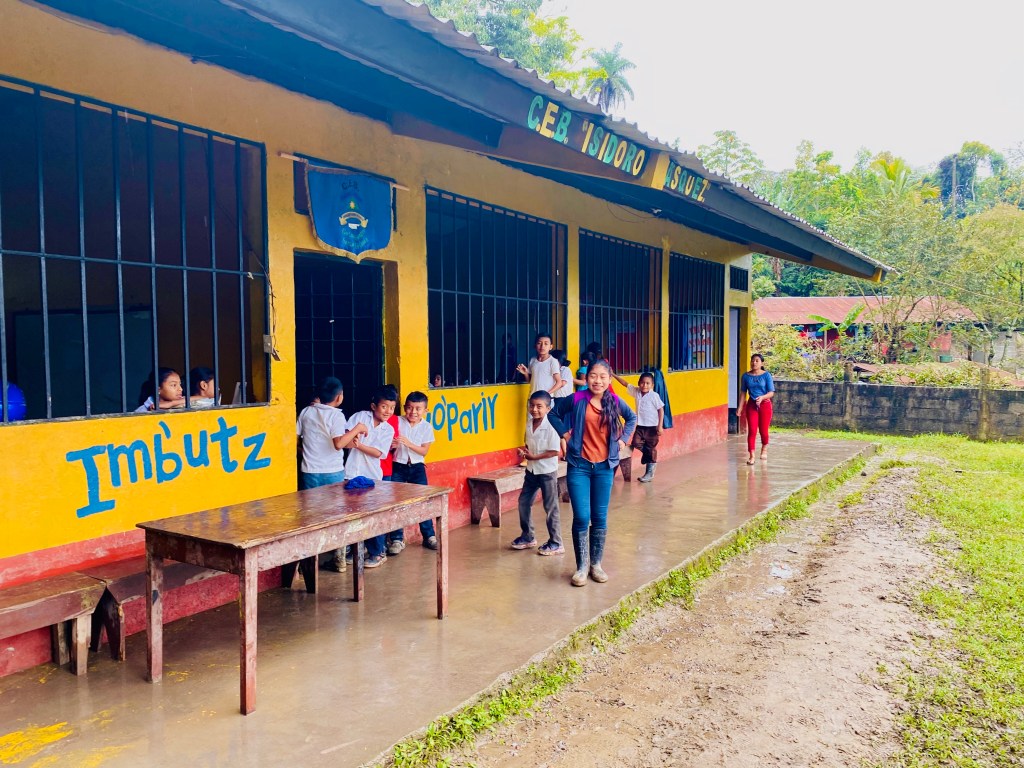
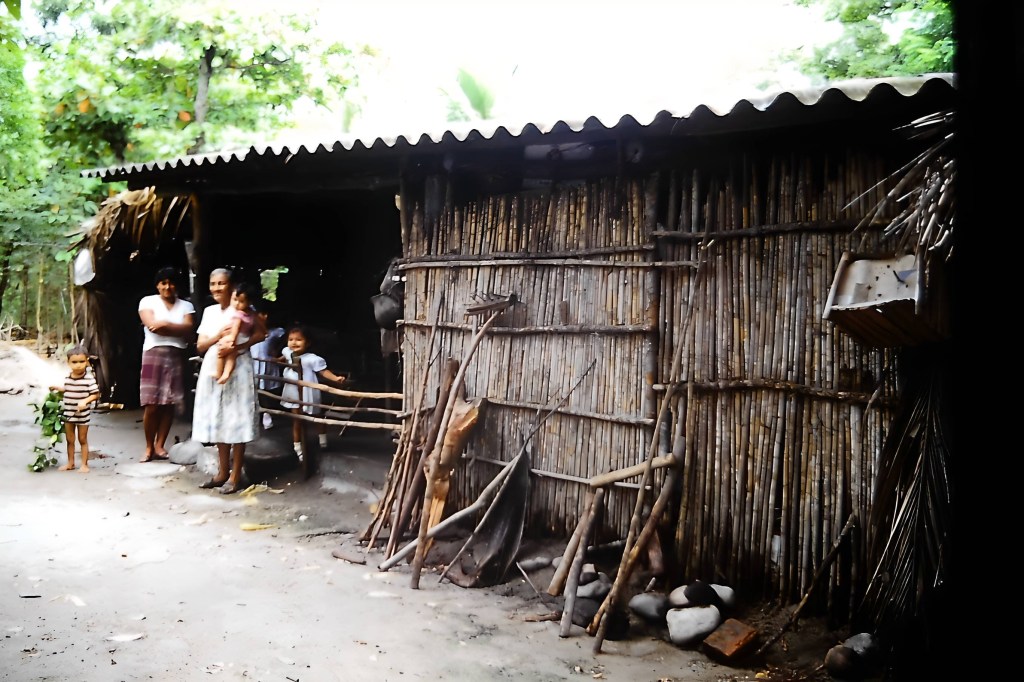
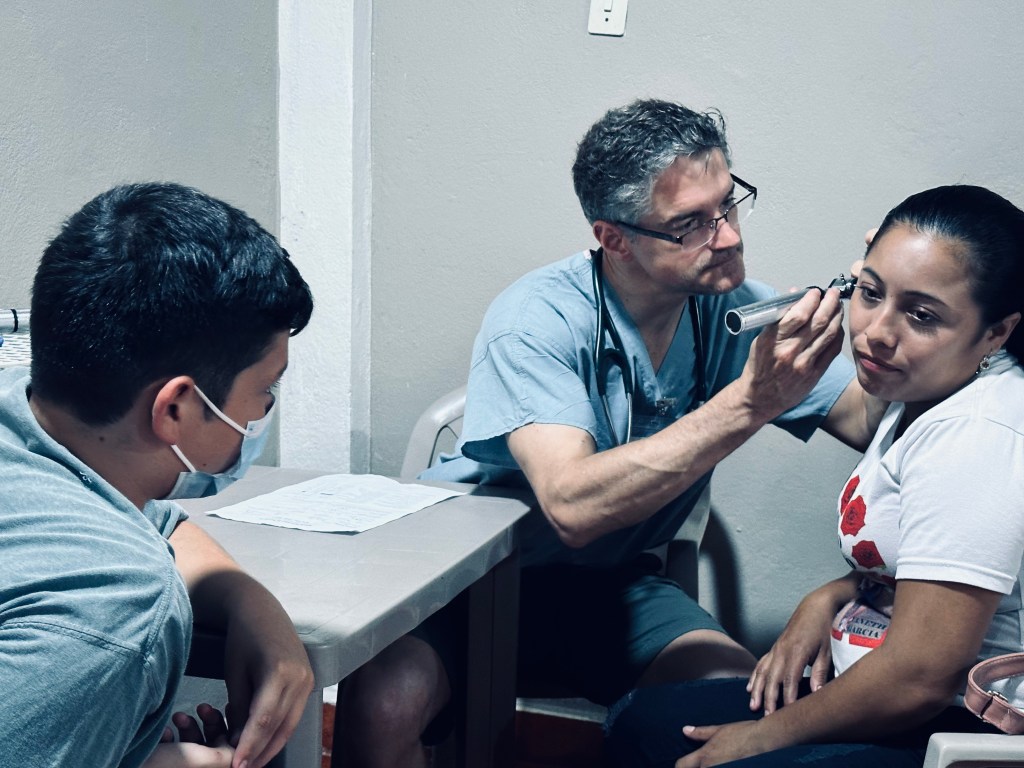
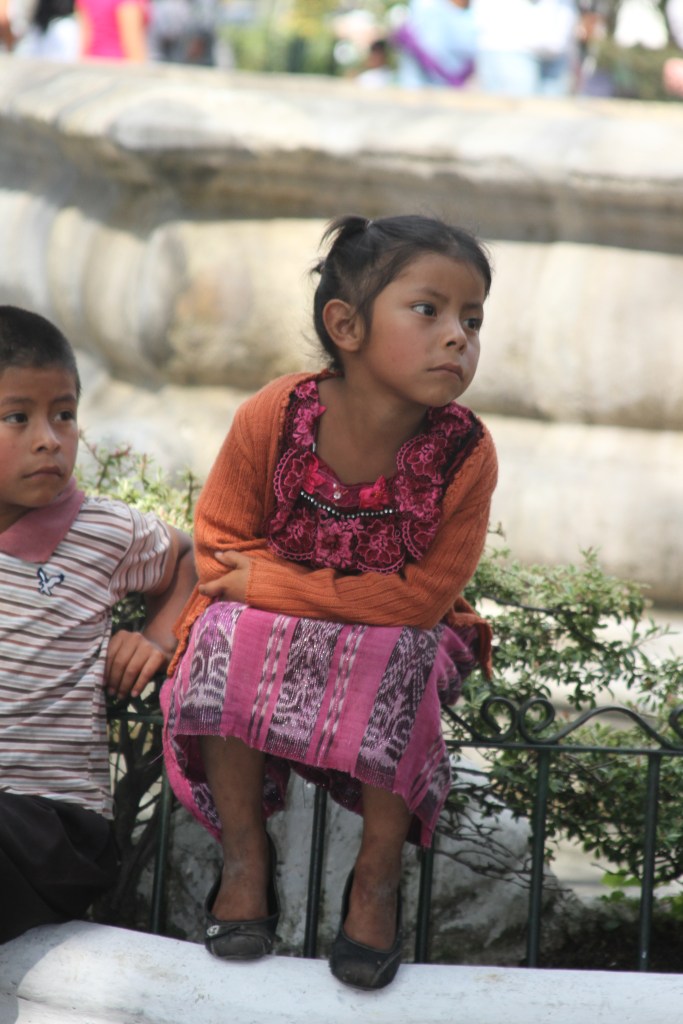
Poverty can manifest in different forms, including absolute poverty, where individuals or families struggle to meet their basic needs, and relative poverty, which refers to a situation where people have significantly fewer resources compared to the average standard of living in their society.
Poverty is often perpetuated by various interconnected factors, such as limited access to education, inadequate healthcare, unemployment or low wages, discrimination, social exclusion, and systemic inequalities. These factors can create a cycle of poverty that affects individuals, families, and entire communities, making it challenging to break free from poverty’s grasp.
It is important to note that poverty is not solely an issue of lack of resources. It can also have profound effects on physical and mental well-being, educational attainment, social mobility, and overall quality of life. Poverty disproportionately affects children, who may face long-term consequences that hinder their development and future opportunities.
Addressing poverty requires a comprehensive approach that involves not only providing immediate relief and support but also addressing the root causes, such as inequality, lack of access to education and healthcare, and limited economic opportunities. By working collectively to tackle poverty, we can strive to create a more equitable and just society where everyone has the opportunity to thrive.
Every Christian should be concerned about the poor because poverty is a complex problem that has various causes and effects in society. Poverty affects not only the individuals who experience it, but also the society as a whole. Some of the effects of poverty include decreased educational attainment, increased crime, violence and abuse, higher rates of infant mortality, poor nutrition, sexual exploitation, hunger, hopelessness, and less development as a society. Poverty can also create a vicious cycle that persists across generations.
Some people may say that everyone has the same opportunities to work and earn a decent living, but this is not correct. There are many factors that contribute to poverty, such as government policies, poor education quality, lack of health care, homelessness, incarceration, domestic violence, crime, discrimination, overpopulation, inadequate employment, environmental degradation, territorial wars and conflicts, and corruption. These factors limit the opportunities for the poor to access the resources and services they need to improve their lives. For example, people who live in impoverished communities may have less access to quality education, health care, and job opportunities than people who live in more affluent areas.
People who face discrimination based on their race, gender, ethnicity, religion, or sexual orientation often face barriers to social and economic mobility. People who are affected by environmental degradation, such as climate change, natural disasters, pollution, and deforestation, may also suffer from food insecurity, water scarcity, displacement, and health risks. People who live in regions that are plagued by wars and conflicts also face violence, displacement, human rights violations, and loss of livelihoods.
Therefore, poverty is not a simple problem that can be solved by individual effort alone. It requires collective action and social responsibility to address the root causes and the consequences of poverty. By being concerned about the poor, we can help raise awareness, advocate for change, and support the efforts of organizations that work to reduce poverty and its impacts. We can also help by being compassionate, respectful, and supportive of the poor, and by recognizing their dignity, potential, and contribution to society.
- Consequences of Poverty
Poverty is a complex and multifaceted problem that affects children in many ways. And these effects can have long lasting implications on future generations and their economic well-being.
Poor health and development: Poverty can negatively affect the physical and mental health of children, as well as their brain development and cognitive abilities. Children who live in poverty are more likely to suffer from chronic illnesses, malnutrition, low birth weight, developmental delays, asthma, pneumonia, and other health problems. Poverty can also impair the executive functioning, academic achievement, and social emotional functioning of children, and increase their risk of involvement with child welfare and juvenile justice agencies.
Exposure to environmental risk factors: Poverty can also expose children to harmful environmental factors, such as substandard housing, hunger, homelessness, inadequate childcare, unsafe neighborhoods, and under-resourced schools. These factors limit the opportunities and resources available for children to learn and grow. Moreover, children who live in poverty are more likely to experience or witness violence, crime, pollution, food insecurity, housing instability, and lead exposure, which can have adverse effects on their development and well-being.
Disproportionate impact on certain groups: Poverty affects children of different races, ethnicities, and genders differently. Children who belong to non-White populations, such as Black, Hispanic, and Indigenous children, are more likely to live in poverty than White children. Similarly, children who live in female-headed households are more likely to experience poverty than those who live in male-headed households. These groups of children face additional challenges and barriers due to discrimination, marginalization, and oppression.
Poverty is a serious issue that requires urgent attention and action. It is not only a matter of economic justice, but also a matter of human rights and dignity. Children who live in poverty deserve better opportunities and outcomes, and we all have a role to play in creating a more equitable and inclusive society.
Being concerned about the poor is an essential aspect of living out our faith and demonstrating compassion towards others. While some may argue that everyone has the same opportunities to work and earn a decent living, it’s important to recognize that this perspective doesn’t fully reflect the realities of socio-economic disparities and systemic challenges that many individuals face. Here are a few reasons why we should be concerned about the poor:
1. Inequality and Inequity: Socio-economic inequalities exist in societies worldwide, resulting from various factors such as limited access to quality education, healthcare, opportunities for skills development, and fair employment. These disparities often create a cycle of poverty that is difficult to escape.
2. Structural Barriers: Systemic barriers such as discrimination, lack of social mobility, and limited resources can hinder individuals from accessing the same opportunities as others. Factors like gender, race, disability, and social background can significantly impact an individual’s chances of success.
3. Vulnerability and Marginalization: Those living in poverty often face increased vulnerability and marginalization. They may lack access to essential services, experience inadequate housing, struggle to meet basic needs, and face discrimination or stigmatization. This can lead to a cycle of poverty that is challenging to break without external support and intervention.
4. Human Dignity and Social Justice: Each person has inherent dignity and worth, regardless of their socio-economic status. As believers, we are called to advocate for social justice and to uphold the dignity of every human being. Caring for the poor reflects our commitment to justice, compassion, and the biblical mandate to love our neighbors as ourselves.
5. Biblical Mandate: Throughout the Bible, there are numerous passages that emphasize the importance of caring for the poor and marginalized. Jesus himself showed great concern for the poor and the vulnerable, and he called his followers to do the same. By caring for the poor, we live out our faith and fulfill the biblical mandate to love and serve others.
While it is true that some individuals can overcome significant challenges and improve their circumstances through hard work and opportunity, it is important to recognize that not everyone starts from an equal playing field. Recognizing and addressing the systemic barriers and socio-economic disparities that exist is crucial for creating a more just and equitable society.
By being concerned about the poor, we can help advocate for change, support initiatives that empower individuals, and work towards creating a society that provides equal opportunities for all.
- Helping Children in Poverty
Helping children living in poverty is a noble and impactful endeavor. There are many ways the church can help children living in poverty, depending on resources, skills, and interests. Here are some possible suggestions:
- Support Charitable Organizations: Research and donate to reputable organizations that specifically focus on addressing child poverty. These organizations often provide essential services like education, healthcare, nutrition, and shelter to impoverished children. Regular donations or even one-time contributions can go a long way in improving their lives.
Individuals can volunteer time with charities and organizations that provide assistance to low-income and homeless children and families. For example, people can tutor, mentor, or coach children, serve meals at soup kitchens or shelters, or organize fundraising events or donation drives.
- Support Local Initiatives: Engage with local organizations and initiatives that directly work with impoverished children in our community. They may provide after-school programs, mentorship opportunities, or access to resources like food and clothing. By supporting these initiatives, we can have a direct impact on the lives of children in our own neighborhood. We can donate money, food, clothing, school supplies, and books to homeless shelters, community schools, and other charities in our community. Individuals can also sponsor a child or a family through programs that offer financial support and regular communication.
- Sponsor a Child: Consider sponsoring a child through a reputable sponsorship program. This allows individuals to provide financial support to a specific child, ensuring they have access to education, healthcare, and other essential needs. Sponsoring a child also enables participants to build a personal connection with them through letters and updates.
- Volunteer: Seek out opportunities to volunteer time and skills. Many organizations working with impoverished children rely on volunteers for various tasks, such as tutoring, mentoring, organizing recreational activities, or providing support in community outreach programs. Individual involvement can have a positive impact on the lives of impoverished children and provide much-needed support. Individuals can partner with existing organizations that are doing well in helping and do plenty of research to find out the best ways to support them. Church communities can also join or start a campaign or a movement that advocates for policies and programs that address the root causes of poverty and inequality.
Volunteers can provide situations that expose students to places outside of the classroom to broaden their horizons and inspire them. Volunteers can also build relationships with students and their families and teach them social-emotional learning strategies.
- Advocate for Policy Change: Raise awareness about child poverty and advocate for policies that address its root causes. Write to your local representatives, engage in advocacy campaigns, and support organizations working to create systemic change. By advocating for policies that promote access to quality education, healthcare, and social support systems, we can help improve the lives of children living in poverty. We can make our voice heard and raise awareness about the issue of child poverty and its effects on children and society.
- Educate Oneself and Others: Learn about the complexities of child poverty and the underlying factors that contribute to it. Educate yourself and others about the challenges faced by impoverished children, the importance of early childhood development, and the long-term effects of poverty on their lives. By raising awareness, each of us can encourage empathy, compassion, and support from your community.
- Individuals can write a poem, a story, a song, or a letter to express one’s feelings and thoughts about child poverty and share it with others. Each of us can also use our creativity and talents to inspire and empower children living in poverty. Here is an example of a poem I wrote:
Children of Poverty
They are the children of poverty,
They live in the shadows of society,
They face hunger, violence, and disease,
They lack the basic necessities.
They are the children of poverty,
They dream of a brighter destiny,
They have hopes, talents, and abilities,
They deserve respect and dignity.
They are the children of poverty,
They need our love and empathy,
They want our help and solidarity,
They are our responsibility.
In summary I wanted to compose a lesson that would increase our understanding of poverty and its impact on children. This lesson highlights that poverty is more than just a scarcity of resources and discusses the various dimensions and forms of poverty. The narrative emphasizes the interconnected factors that perpetuate poverty and the long-term consequences it has on physical and mental well-being, educational attainment, and social mobility. It also emphasizes the importance of addressing the root causes of poverty and the need for a comprehensive approach that includes immediate relief and support. There are many churches today that have the sufficient resources to affect poverty in their own neighborhood and worldwide.
This narrative focuses on the consequences of poverty, specifically on children. It highlights the negative effects on their health, development, exposure to environmental risk factors, and the disproportionate impact on certain groups. It emphasizes that poverty is not solely an issue of economic justice but also a matter of human rights and dignity.
It further explains why it is important to be concerned about the poor, discussing inequality, structural barriers, vulnerability, human dignity, and the biblical mandate to care for the poor. It stresses the need to recognize and address systemic barriers and socio-economic disparities to create a more just and equitable society.
The third part of the narrative provides practical suggestions on how to help children living in poverty. It includes supporting charitable organizations, engaging with local initiatives, sponsoring a child, volunteering, advocating for policy change, and educating oneself and others about child poverty. The narrative also encourages creativity and using talents to inspire and empower children living in poverty.
Overall, the narrative provides a comprehensive overview of poverty and offers practical ways to help children living in poverty. It emphasizes the importance of collective action, social responsibility, and creating a more equitable and inclusive society.
Remember, even small actions can make a significant difference. Whether through financial contributions, volunteering, advocacy, or education, your efforts can help break the cycle of poverty and provide a brighter future for children in need.

 CubieSphere