

Syncretism of Traditional Ch’ortí Religion with Catholicism
When the Spanish colonizers arrived in the region, they brought Catholicism, which gradually became the dominant religion. However, rather than completely replacing Ch’orti’ traditions, many elements of Ch’orti’ culture were incorporated into the practices and rituals of the Catholic Church. This practice opened the Catholic mass to the Honduran traditional groups making it easier to incorporate the local Indians into the newly arrived Catholic traditions.
One example of syncretism in the Ch’orti’ people’s Catholicism is the incorporation of traditional Mayan rituals and deities into Catholic religious practices. For instance, they may combine elements of their indigenous agricultural rituals with Catholic ceremonies, such as offering prayers to both the Christian God and their ancestral agricultural deities for a successful harvest.
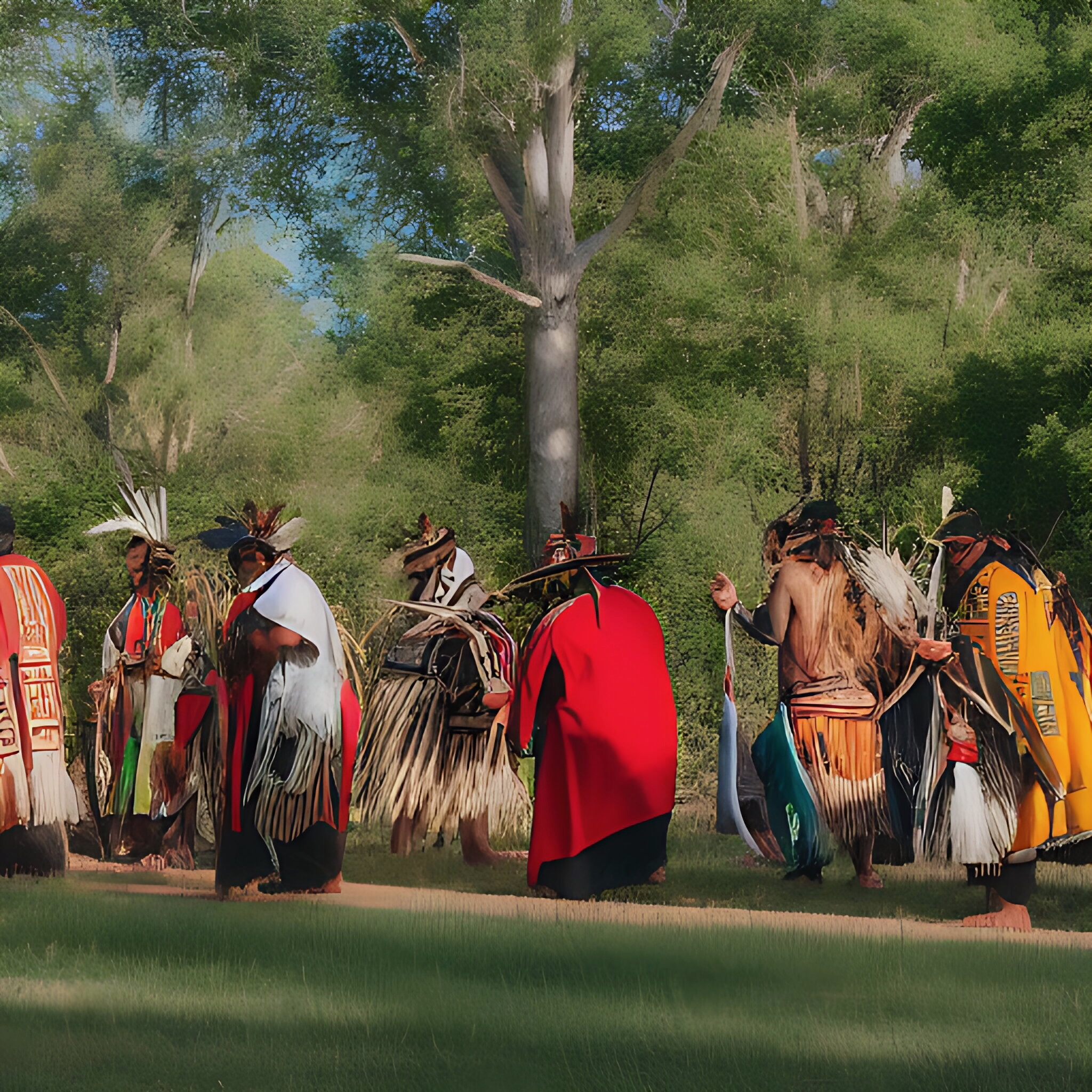
Another example of this syncretism is the integration of Ch’orti’ cosmology and worldview into Catholic beliefs. Ch’orti’ people often understand the world as having multiple layers or levels, with different spiritual beings inhabiting each level. These layers may include the earthly realm, the celestial realm, and the underworld, among others. Each level is associated with different deities, ancestors, or spirits. The Catholic Church acknowledges the existence of various spiritual beings, such as angels, saints, and demons, which can be seen as similar to the Ch’orti’ understanding of multiple spiritual entities inhabiting different levels. This concept of multiple spiritual realms and entities has been incorporated into the Catholic understanding of the cosmos in many communities where Ch’ortí people and traditions dominate the area.
The Ch’orti’ belief in the presence of ancestors and their continued influence on the living has been incorporated into Catholic practices. Ch’orti’ people may venerate their ancestors and seek their guidance or protection. In Catholicism, this concept is reflected in the veneration of saints, who are seen as intercessors between the earthly realm and the divine realm. Ch’orti’ individuals may continue to honor their ancestors while also praying to Catholic saints for help or blessings.
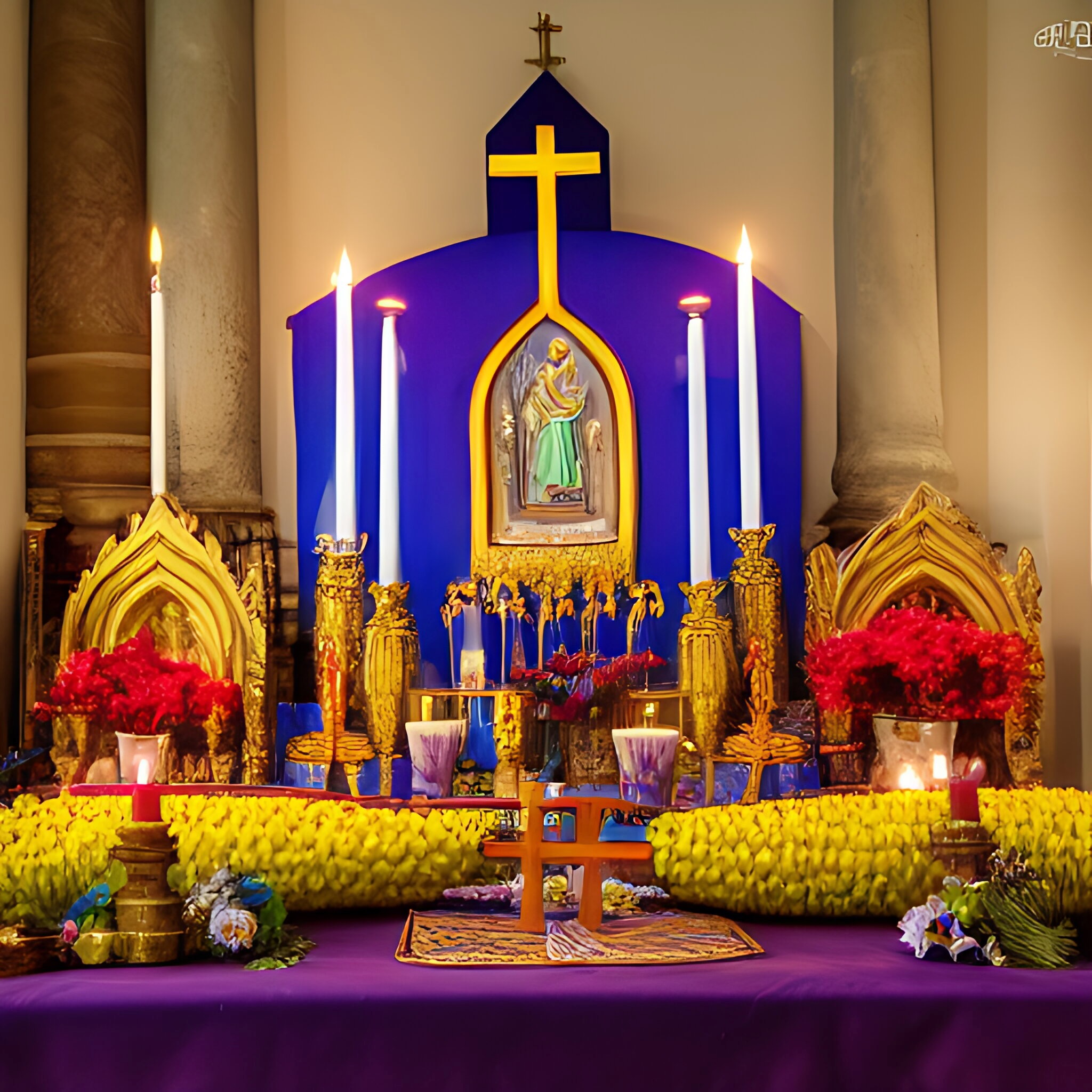
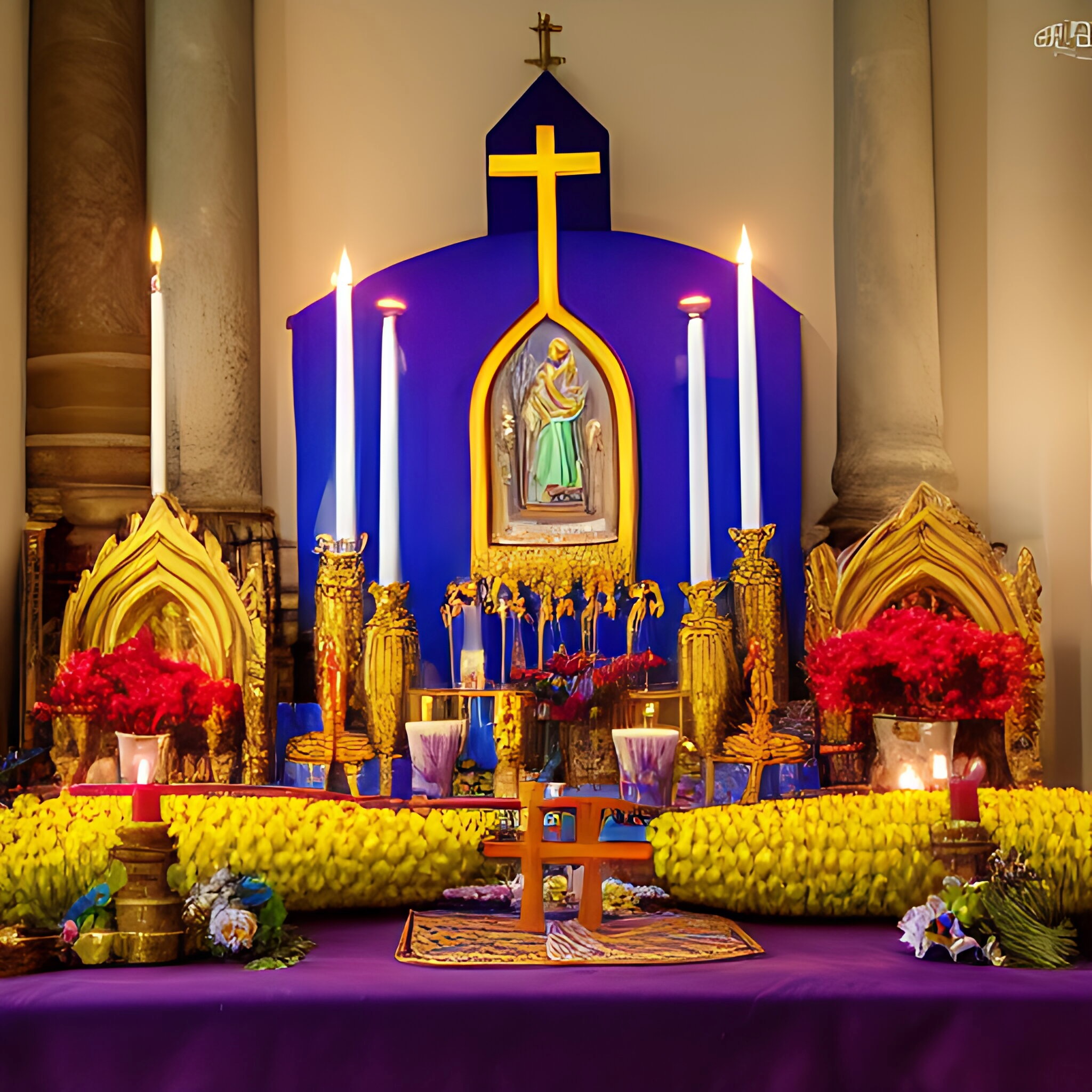
Ch’orti’ rituals and ceremonies, such as ancestral veneration and offerings to spirits, have also been incorporated into Catholic practices. For instance, in some Ch’orti’ communities, Catholic altars may include images or symbols of Ch’orti’ ancestors alongside Christian saints. Traditional practices, such as the use of cacao or other offerings during ceremonies, may also be blended with Catholic rituals in many Ch’ortí communities.
Similarly, Ch’orti’ rituals and offerings to spirits have found a place within Catholic ceremonies. Ch’orti’ people may use traditional items like cacao, corn, or other symbolic offerings during rituals, which have been incorporated into Catholic practices such as Mass or processions. These offerings may be seen as a way to communicate with both Ch’orti’ ancestral spirits and Catholic saints or divine beings.
Similarly, Ch’orti’ festivals and celebrations have been adapted to fit within the Catholic calendar. For instance, the Ch’orti’ New Year, known as Wajxaqib’, which typically falls in late July, has been reinterpreted as the feast day of St. James the Apostle by the Catholic Church. This allows Ch’orti’ people to continue their traditional celebrations while also participating in Catholic religious observances.
It’s important to note that the extent of syncretism can vary among individuals and communities. Some Ch’orti’ individuals may fully embrace Catholicism and see it as compatible with their traditional beliefs, while others may maintain a stronger emphasis on their indigenous practices. The syncretic process is dynamic and ongoing, shaped by individual beliefs, local customs, and the broader social and cultural contexts in which the Ch’orti’ people live. The specific practices and rituals that have been syncretized depend on the local context, the beliefs of the individuals involved, and the historical, social, and cultural factors at play.

 CubieSphere